Guangzhou Lvyuan Water Purification Equipment Co., Ltd. es un fabricante de filtros industriales fundado en 2009 que diseña y fabrica carcasas de filtros de acero inoxidable, depósitos de agua estéril de acero inoxidable, elementos filtrantes, bolsas filtrantes, materiales ultrapolímeros y productos de filtros sinterizados. Los compradores eligen Lvyuan por el soporte OEM/ODM, el control de calidad ISO9001 y las certificaciones multinacionales.
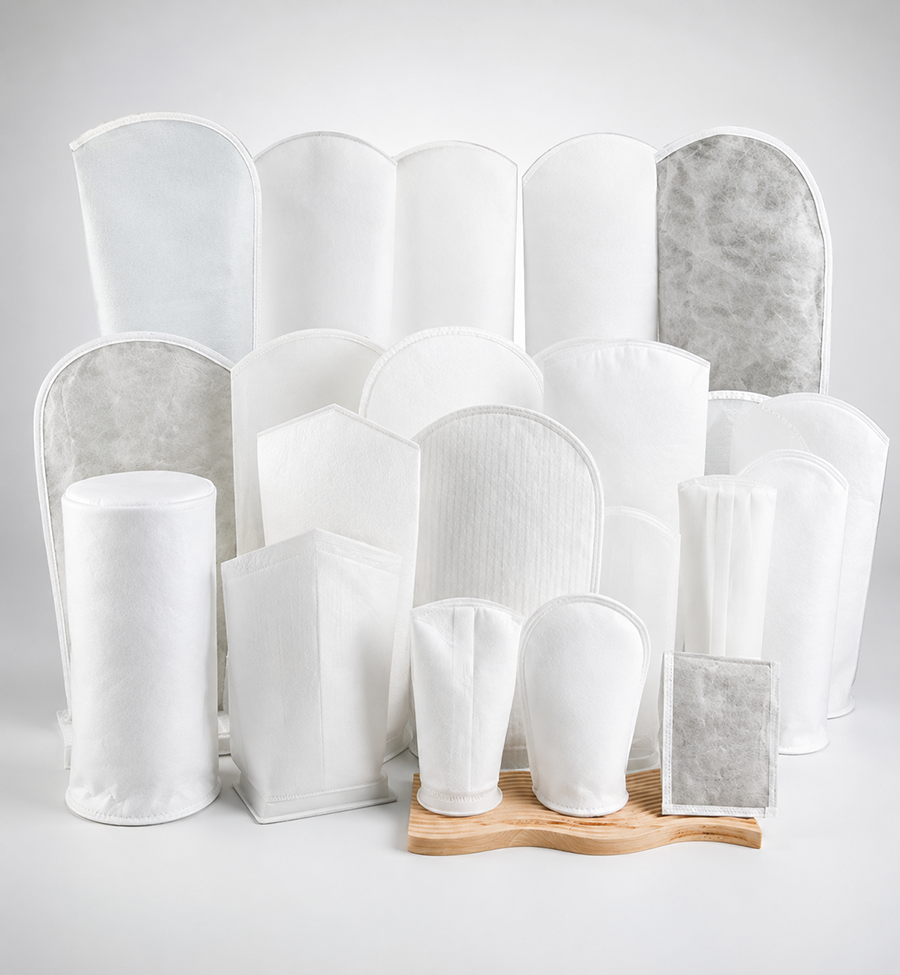
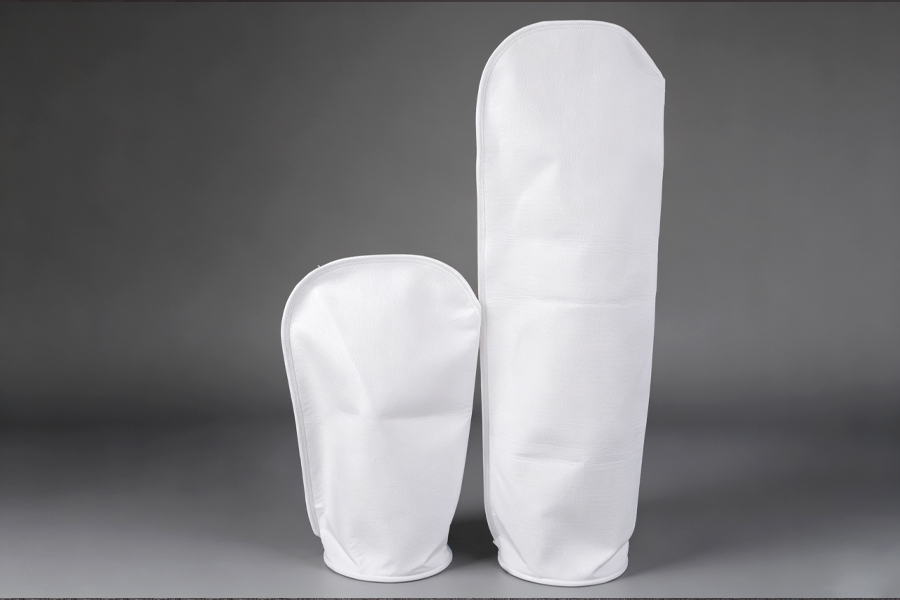
Las bolsas filtrantes industriales de Lvyuan ofrecen una forma práctica de eliminar sólidos en suspensión, residuos del proceso, geles y otras partículas de los flujos de líquido. Los materiales disponibles pueden incluir fieltro de agujas de polipropileno y poliéster, malla de nailon u otros monofilamentos, y las dimensiones de las bolsas y las configuraciones de sellado se seleccionan para adaptarse al proceso y a la carcasa compatible.
Solución integral
Bolsas filtrantes a medida para proyectos OEM e industriales
Las bolsas estándar sirven para muchas aplicaciones, pero los equipos de los fabricantes de equipos originales (OEM) y las plantas ya existentes pueden requerir dimensiones, materiales o sistemas de sellado diferentes.
1. Clasificación de medios y micras
Comprueba el nivel de retención requerido y los medios compatibles con el fluido de funcionamiento.
2. Dimensiones y cuello
Personaliza el diámetro, la longitud y la interfaz de sellado de la bolsa para adaptarlos a la geometría de la carcasa compatible.
3. Suministro OEM
Dar soporte a los requisitos basados en planos, al embalaje, al etiquetado y a los programas de sustitución periódica.
Bolsas filtrantes industriales para distintos requisitos de proceso
Nuestra gama de bolsas filtrantes se puede configurar en función de diferentes requisitos de filtración, incluyendo variaciones en los medios filtrantes, los grados de filtración en micras, el tamaño de la bolsa, la estructura de fieltro o malla y el diseño del collarín o anillo. Las opciones se pueden adaptar a las carcasas de filtro adecuadas y evaluarse en función del líquido de proceso, las características de los contaminantes, las condiciones de funcionamiento, la carga de sólidos y el rendimiento de filtración requerido.
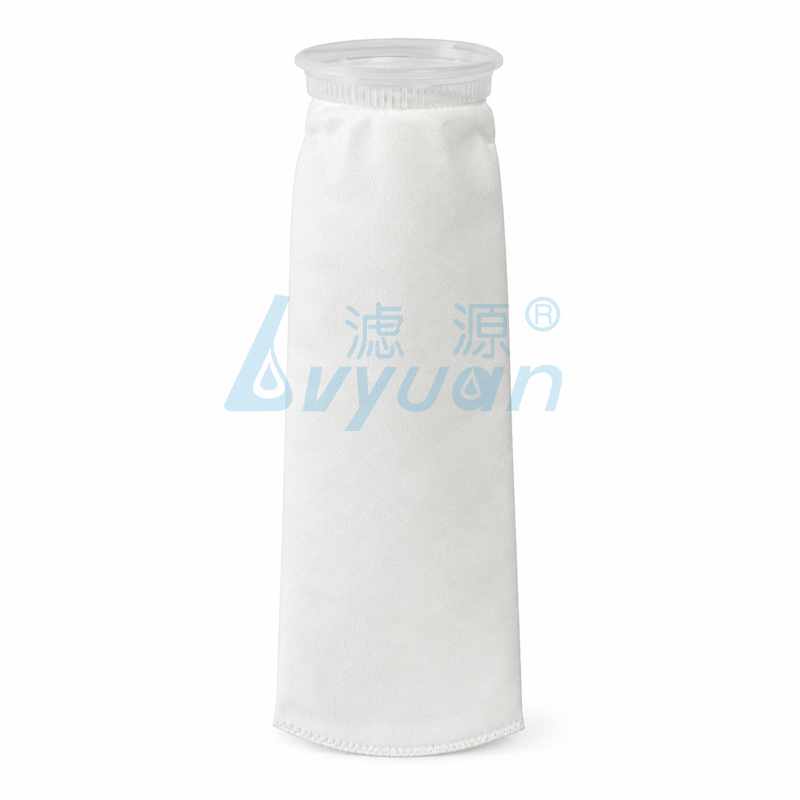
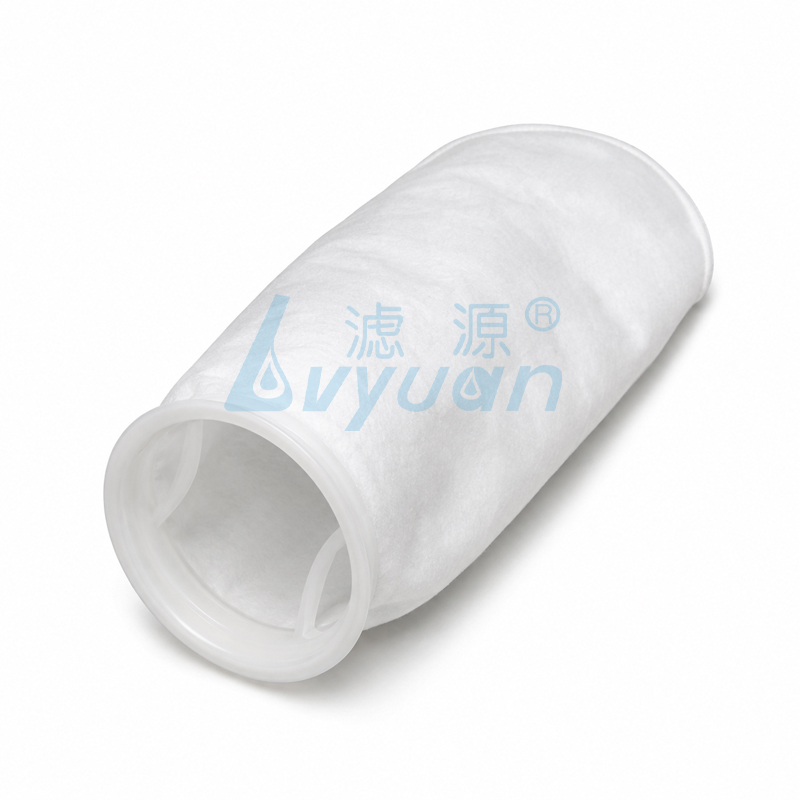
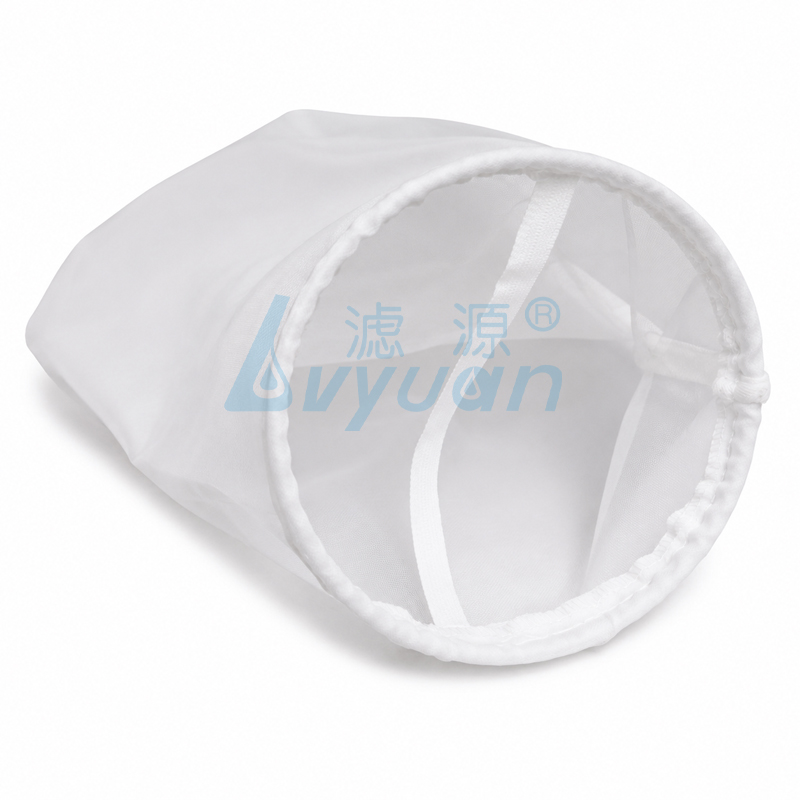
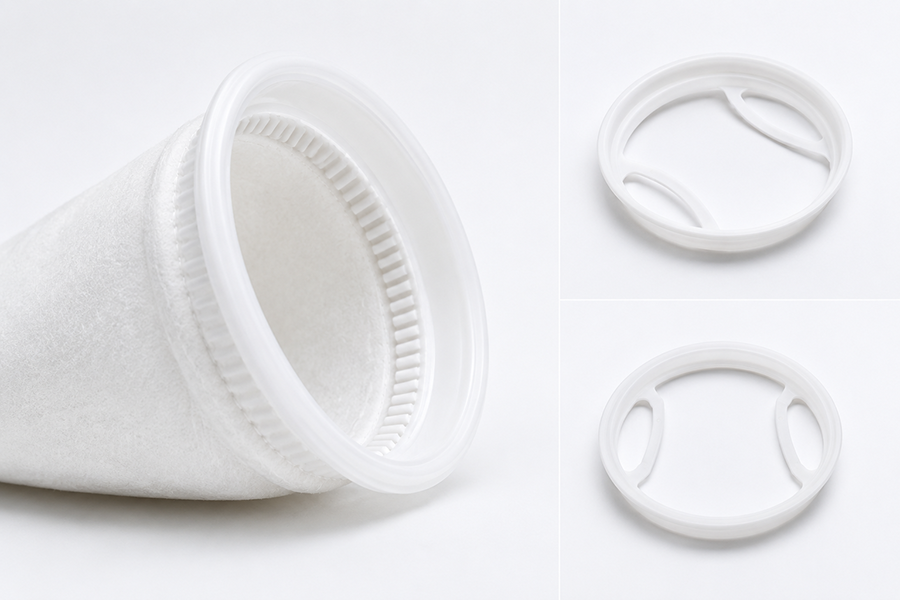
La bolsa filtrante de polipropileno Lvyuan cuenta con un medio filtrante de fieltro de PP y un anillo de sellado de plástico moldeado para garantizar una eliminación fiable de partículas del agua, los productos químicos y los líquidos de procesos industriales.
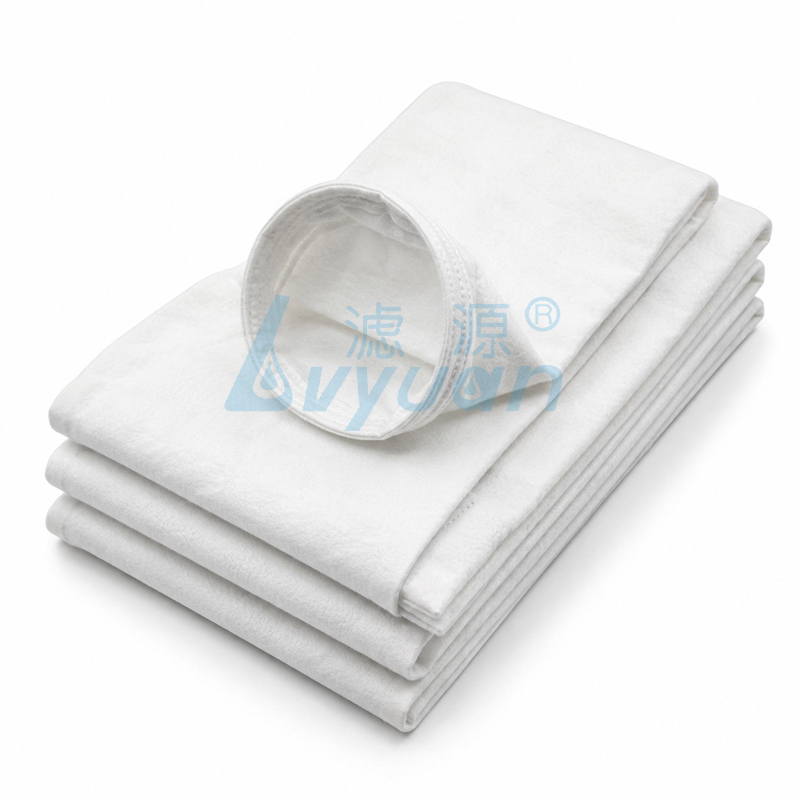
La bolsa filtrante para líquidos de poliéster Lvyuan PE utiliza un medio filtrante de fieltro de poliéster resistente para eliminar de forma fiable las partículas del agua, los productos químicos, los aceites y diversos líquidos de procesos industriales.
La bolsa filtrante de PTFE de Lvyuan utiliza un material filtrante de PTFE resistente para eliminar de forma fiable las partículas presentes en productos químicos corrosivos, disolventes, ácidos, álcalis y líquidos de procesos industriales exigentes.
La carcasa de filtro de bolsas múltiples de acero inoxidable de Lvyuan es una unidad de filtración de alto caudal que utiliza varias bolsas filtrantes para eliminar partículas del agua industrial y de los líquidos de proceso.
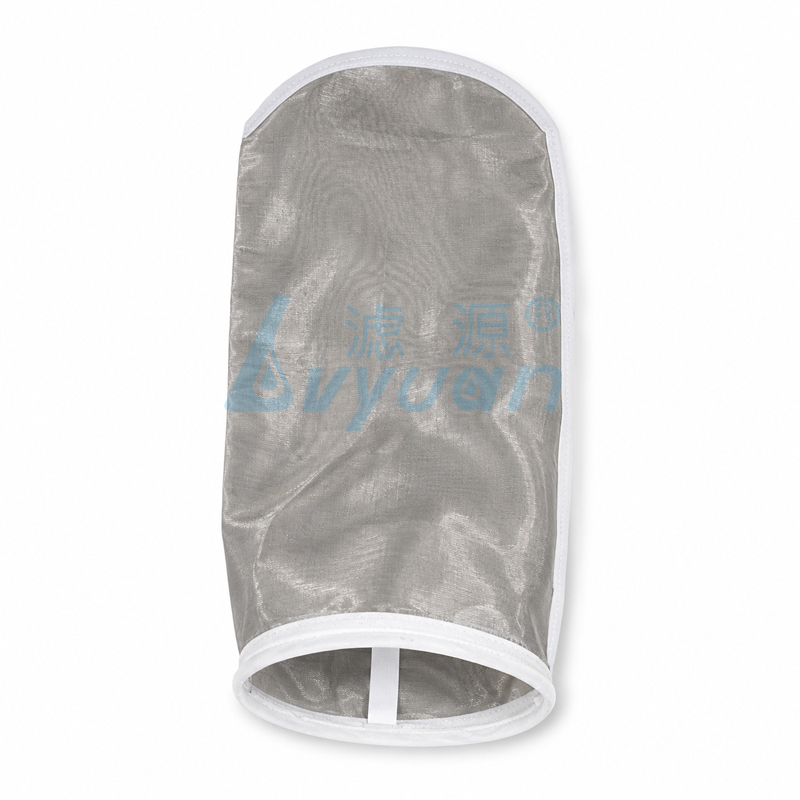
La bolsa filtrante para líquidos de malla de acero inoxidable de Lvyuan utiliza una malla metálica tejida reutilizable para la eliminación duradera de partículas del agua, los aceites, los productos químicos y los líquidos de procesos industriales.
Opciones de materiales y medios filtrantes para las bolsas filtrantes
La selección del material debe partir del fluido concreto, la concentración química, la presión, la temperatura, la duración de la exposición y el método de limpieza. Las propiedades generales de los polímeros resultan útiles para la preselección, pero no constituyen especificaciones garantizadas para todos los componentes porosos acabados.
1. Fieltro de polipropileno
Se suele utilizar para agua y líquidos de proceso compatibles. Su estructura en profundidad puede ofrecer una capacidad útil de carga de sólidos.
2. Fieltro de poliéster
Una opción consolidada de fieltro agujado para líquidos industriales compatibles, en la que sus características químicas y térmicas se adaptan al proceso.
3. Malla de nailon
La malla tejida permite una separación orientada a la superficie gracias a sus aberturas controladas y puede ser una opción a tener en cuenta cuando la limpieza resulte factible.
4. Malla de monofilamento
Útil para la separación de partículas gruesas o controlada, en la que se prefieren las aberturas definidas, similares a las de un tamiz, frente a la filtración en profundidad.
Nota sobre la selección: La compatibilidad química y la temperatura admisible deben verificarse en función de la composición real del fluido, su concentración, el tiempo de exposición y las condiciones de funcionamiento. Los límites publicados para un tipo concreto de estructura de bolsa comercial no deben aplicarse automáticamente a otro.
Clasificaciones en micras, tamaño de las bolsas filtrantes y opciones de fabricación
Por qué es importante estar en forma
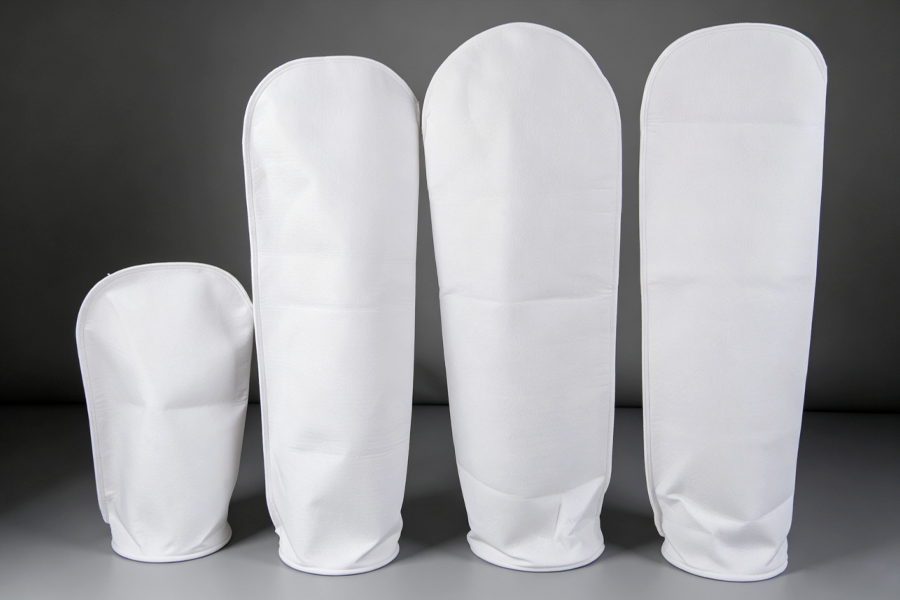
El diámetro, la longitud y la geometría de sellado de la bolsa deben ajustarse a la cesta de soporte y a la interfaz de la carcasa. Un ajuste incorrecto puede afectar al sellado y provocar fugas indeseadas. Es habitual utilizar tamaños estándar, pero se pueden suministrar dimensiones a medida cuando un conjunto de un fabricante de equipos originales (OEM) o una carcasa ya existente requiera otra configuración. Cuando el rendimiento de retención sea fundamental, los compradores deben confirmar cómo se ha determinado el grado de retención en micras, en lugar de dar por sentado que todos los sacos con el mismo valor nominal ofrecen el mismo rendimiento.
Factor de selección
Por qué es importante
Retención
Potencia nominal o definida por el fabricante
Medios de comunicación
Fieltro con aguja / malla
Construcción
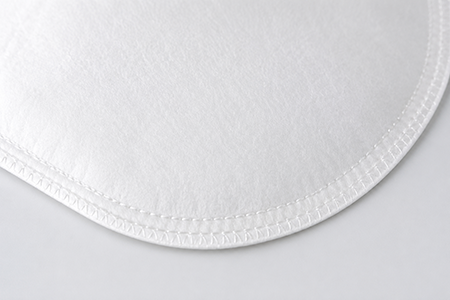
Cosido o soldado, según el diseño
Sello
Opciones de anillos y collares de polímero
Sistema
Carcasa para una o varias bolsas
Bolsas filtrantes a medida y fabricación OEM
Las bolsas estándar cubren numerosas aplicaciones de filtración, pero los equipos de fabricante original y las plantas ya existentes suelen requerir variaciones en las dimensiones, los sistemas de sellado o la estructura del material filtrante.
En función de las necesidades, las bolsas filtrantes se pueden personalizar en cuanto a:
Materiales y medios filtrantes
Grado de filtración en micras requerido
Diámetro y longitud total
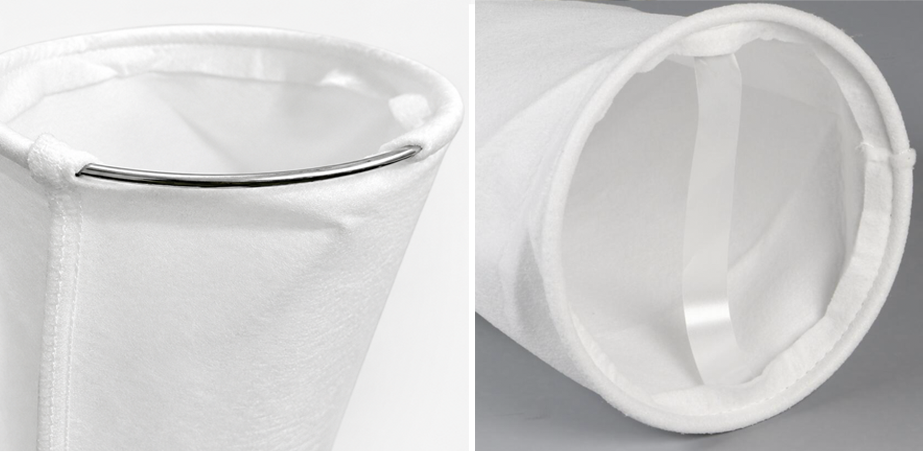
Collar, ring, or sealing configuration
Sewn or welded construction
Special housing dimensions
Requisitos de embalaje
OEM labeling
Sample or drawing-based development
Production quantities for replacement programs
For customized filtration products, useful technical information includes the process fluid, contaminant, operating temperature, desired retention level, existing housing details, current bag dimensions, ring geometry, and required quantity.
Compatibility with an existing style installation should be confirmed dimensionally rather than assumed from a product description alone. Eaton itself provides replacement filter bags for certain FSI applications, demonstrating why the actual housing interface and bag specification matter when cross-referencing established systems.
Our role as a B2B supplier is to review the requirement before manufacture and customize the bag configuration where the application cannot be served reliably by a standard format.
Selecting a Filter Bag for the Right Filtration Duty
Selecting a filter bag should involve the complete operating condition. A lower micron number does not automatically produce a better system. If the media is unnecessarily fine for a high dirt load, differential pressure may rise quickly and replacement frequency may increase.
Key selection factors include the contaminant type, particle distribution, solids concentration, process liquid, chemical compatibility, operating temperature, required flow, acceptable pressure differential, housing size, maintenance practice, disposal requirements, and desired operating cost.
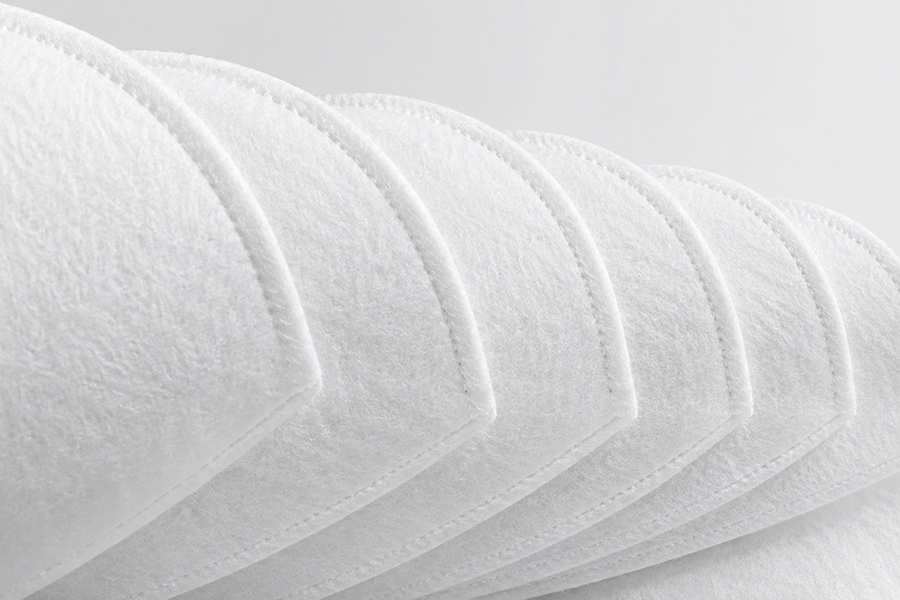
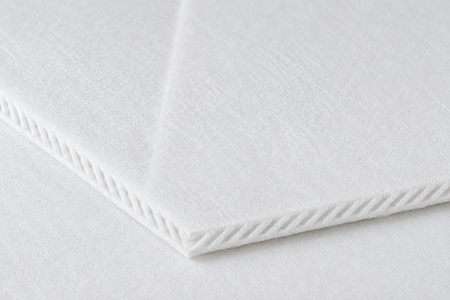
Felt filter bags are commonly considered when depth loading and suspended-particle removal are important. Polypropylene may be evaluated for many compatible aqueous or chemical duties, while polyester may be preferred where its specific material properties better match the process. Nylon or monofilament mesh can be considered for larger particles, screen-like separation, or applications where a cleanable surface medium is useful.
For high solids loading, simply specifying a finer right filter bag can create unnecessary maintenance. Increasing effective area or using a high capacity media design may be more appropriate in some systems. Commercial high efficiency filter bags and extended-area designs also exist, but “high-efficiency” or “high-performance” should refer to a defined product construction and tested retention behavior rather than serve as a generic marketing description. Eaton, for example, offers extended-life and pleated bag constructions specifically designed to increase usable filtration area or dirt-holding capacity.
Filter Bag Filtration for Industrial Liquid Processing
A filter bag is a replaceable filter media element installed inside a supporting basket within a pressure housing. During operation, process liquid passes through the bag media while particles larger than the effective retention capability are captured either within the depth of felt media or on the surface of mesh media.
Bag filtration is widely used where relatively large volumes of liquid need economical solids removal without the complexity of more specialized separation equipment. Established industrial filtration manufacturers describe filter bags as suitable for removing unwanted particles from liquids across applications ranging from water and chemicals to coatings and other process fluids.
Performance depends on the complete assembly rather than the filter bag alone. The bag must fit the housing and restrainer basket correctly, while the sealing ring or collar must engage properly with the housing design. Media type, retention rating, dimensions, seam construction, process conditions, and contaminant characteristics therefore need to be considered together.
This category covers bolsas filtrantes para líquidos rather than dust collector bags or baghouse products. It is also distinct from a pleat-style cartridge filter, although bag and cartridge technologies may both be used at different stages within industrial filtration systems.
Bolsas filtrantes industriales para distintos requisitos de proceso
Our filter bag range can be configured around different filtration requirements, including variations in filter media, micron ratings, bag size, felt or mesh construction, and collar or ring design. Options can be matched to suitable filter housings and evaluated according to process liquid, contaminant characteristics, operating conditions, solids loading, and required filtration performance. Product examples can therefore be selected according to the needs of each application rather than treated as one universal specification.
Filter Bag Applications Across Industry
Bag filters are used across many liquid-processing operations because they can handle both routine clarification and process protection duties.
Water and wastewater processing: They may remove rust, pipe scale, suspended solids, treatment residues, or other particulate before downstream equipment.
Procesamiento químico: Appropriate media can be used for raw materials, intermediate streams, resins, cleaning liquids, or compatible chemical solutions. Material selection must account for actual chemistry.
Paints, coatings, and inks: Filtration can remove agglomerates, skins, unwanted particles, and process debris before filling or downstream application equipment. Eaton identifies paints, varnishes, inks, and chemicals among established applications for its bag filtration products.
Plating and surface treatment: Bags may provide particulate removal from compatible process or rinse liquids, helping protect pumps, nozzles, and downstream treatment stages.
Food and beverage processing: Suitable, documented media can be applied to beverages, edible oils, process water, sugar solutions, and related duties. Food-contact compliance must be confirmed for the specific product rather than assumed for every polypropylene or polyester bag.
Oils and lubricants: Bag filtration may remove particulate contamination from compatible lubricants, hydraulic fluids, or processing oils.
Other duties include cooling water, pre-filtration, activated carbon recovery or removal, equipment protection, and general industrial liquid processing. Media compatibility should be reviewed separately for each application.
Filter Bag Performance, Particle Loading and Replacement
Actual filter performance is influenced by the media, effective filtration area, particle characteristics, incoming dirt concentration, liquid viscosity, flow conditions, differential pressure, and the condition of the housing assembly.
As solids accumulate, resistance across the bag normally increases. The appropriate replacement point should therefore be based on the process specification, housing limitations, flow requirements, and operating experience rather than on an assumed fixed service interval.
Installing the bag correctly is equally important. The element should sit properly inside the support basket, and the sealing interface should engage as intended. Eaton specifically notes correct insertion and alignment as part of proper bag installation for one of its commercial product ranges.
A properly specified system can help avoid premature replacement, excessive pressure drop, unnecessary downtime, and avoidable media consumption. It does not, however, eliminate maintenance. Service life varies considerably with contaminant load and operating conditions.
Where greater solids capacity is needed, extended-area or multi-layer media types may be evaluated instead of repeatedly shortening the change-out interval. Multi-bag housings can also increase available filtration area where system flow and process design justify a larger assembly.
Why Filter Bag Supplier Consistency Matters
A filter bag is a consumable component, so procurement performance is affected by repeatability over many replacement cycles.
Industrial buyers should evaluate whether a supplier can maintain consistent media specification, dimensional control, seam quality, ring or collar fit, and general assembly quality. Material traceability may also be relevant where the process or internal quality system requires it.
Consistent dimensions are particularly important for replacement programs. A bag that fits loosely, seals incorrectly, or differs significantly from the approved construction can change filtration behavior even when the nominal micron rating appears unchanged.
A professional supplier should also be able to discuss the application in technical terms rather than recommend products solely from a micron number. Process chemistry, temperature, dirt loading, housing geometry, and filtration objective all affect the final choice.
This approach reduces sourcing risk and helps purchasing teams maintain greater reliability across repeat orders without relying on unsupported claims of “high-quality,” “innovative,” or universal performance.
Filter Bag FAQ
¿Cómo elijo la bolsa de filtro adecuada?
Start with the process liquid and filtration objective. Identify the contaminant, approximate particle size, solids concentration, desired retention, operating temperature, required flow, existing housing, and acceptable differential pressure. Then compare suitable media and construction options. A polypropylene felt bag, polyester felt bag, or nylon mesh bag can behave quite differently even when similar dimensions are used.
¿Qué tamaño de malla debo elegir?
Choose a rating according to the particle size that needs to be controlled and the required downstream result. Avoid automatically selecting the smallest micron rating. Overly fine media can load quickly where contaminant concentration is high. Also confirm whether the specified micron ratings are nominal, absolute, or based on another manufacturer-defined retention method.
¿Cuál es la diferencia entre las bolsas filtrantes de fieltro y las de malla?
Felt generally provides a depth-loading structure in which particles can be retained through part of the media thickness. This makes it useful for many suspended-solids applications. Mesh usually provides surface retention through defined woven openings and can be appropriate for larger particles or screening duties. The better solution depends on particle distribution, solids loading, cleaning expectations, and process conditions.
¿En qué se diferencian las bolsas filtrantes de polipropileno y las de poliéster?
Both materials are widely used for industrial needle-felt filter bags. Their chemical and thermal characteristics are different, so selection should be based on the actual fluid and operating temperature. A published temperature limit for one bag design should not be generalized to every product using the same polymer.
¿Son reutilizables las bolsas filtrantes?
Some mesh bags may be cleaned and reused where the material, contaminant, process requirements, and cleaning method permit. Felt bags are more often treated as replaceable filtration media because solids can become embedded within the depth structure. Reuse should be evaluated according to bag condition, cleaning effectiveness, contamination risk, labor cost, and the requirements of the specific process.
¿Cómo puedo determinar el tamaño adecuado de la bolsa filtrante?
Check the existing housing, restrainer basket, installed bag dimensions, and sealing interface. Diameter and length alone may not be enough because collar or ring geometry also affects compatibility. If an existing accessory or bag is available, its dimensions, photographs, drawing, or sample can help confirm the required assembly.
¿Qué datos se necesitan para solicitar un presupuesto de una bolsa filtrante a medida?
Provide the liquid or chemical composition, contaminant type, target particle removal, preferred material, required micron rating, bag dimensions, collar or ring style, operating temperature, flow requirement, existing housing information, and quantity. Information about current bag performance or replacement frequency can also help identify whether another media construction should be evaluated.
Request Filter Bag Specifications or a Quotation
For a new filtration project or replacement requirement, send us your process fluid, contaminant or particle type, required micron rating, filter bag size, preferred media, flow requirement, operating temperature, existing housing information, and required quantity.
We can review the available filter bag configuration, discuss material and construction options, and assist with specification matching, custom requirements, samples, pricing, or a formal quotation for your industrial filtration project.