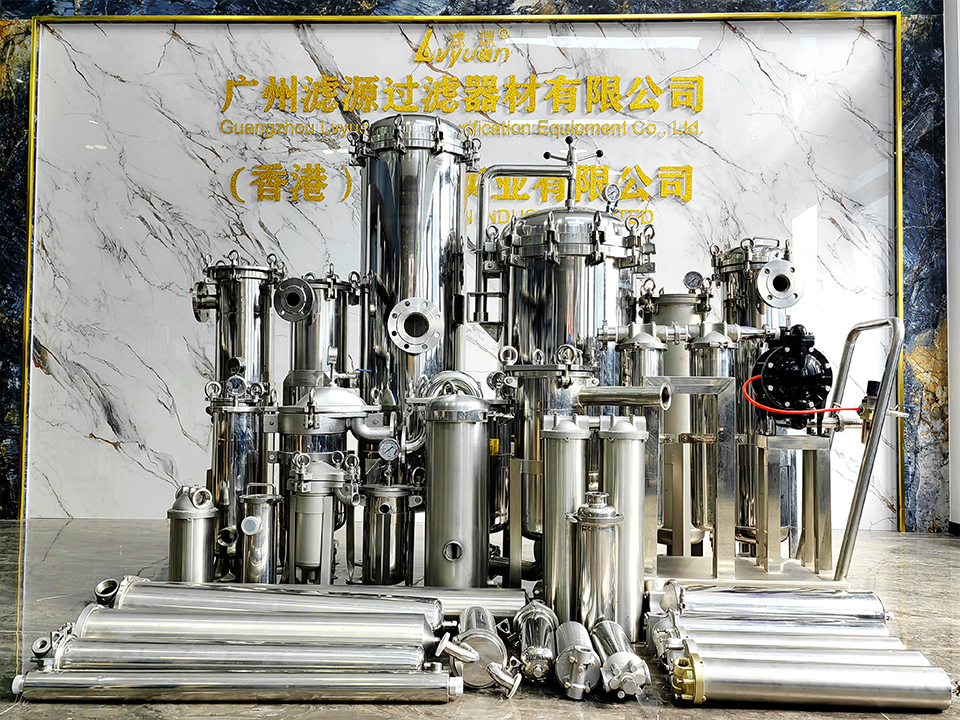
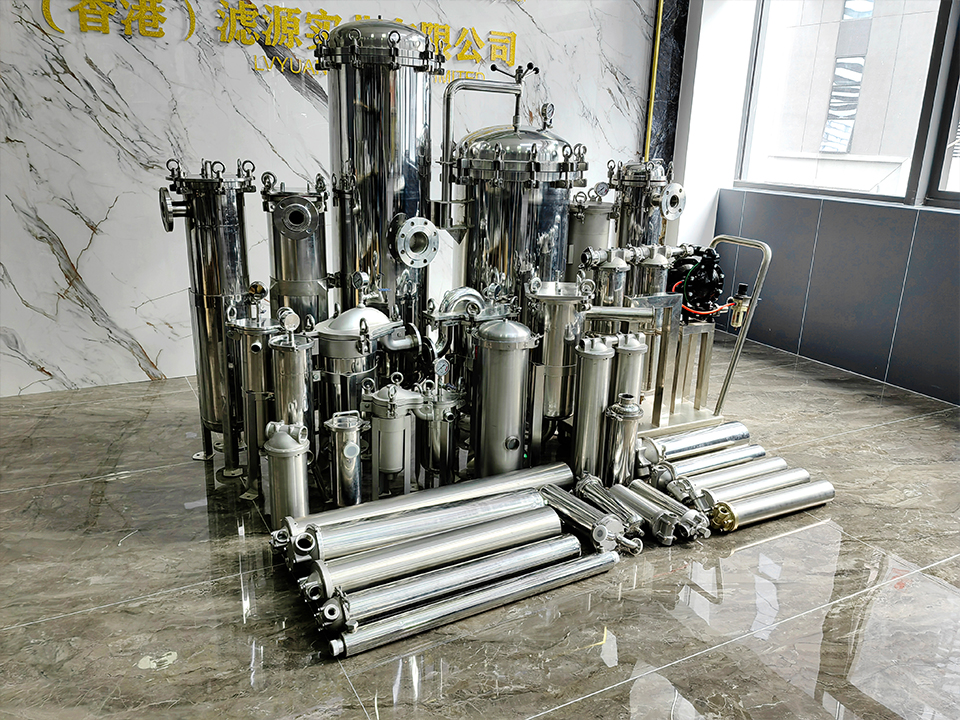
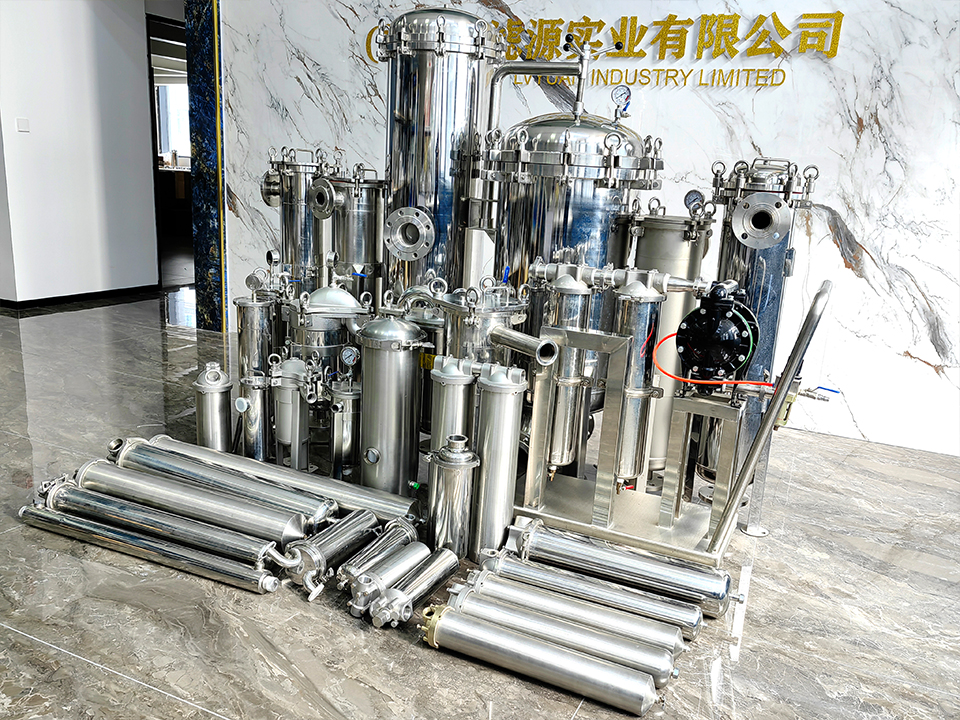
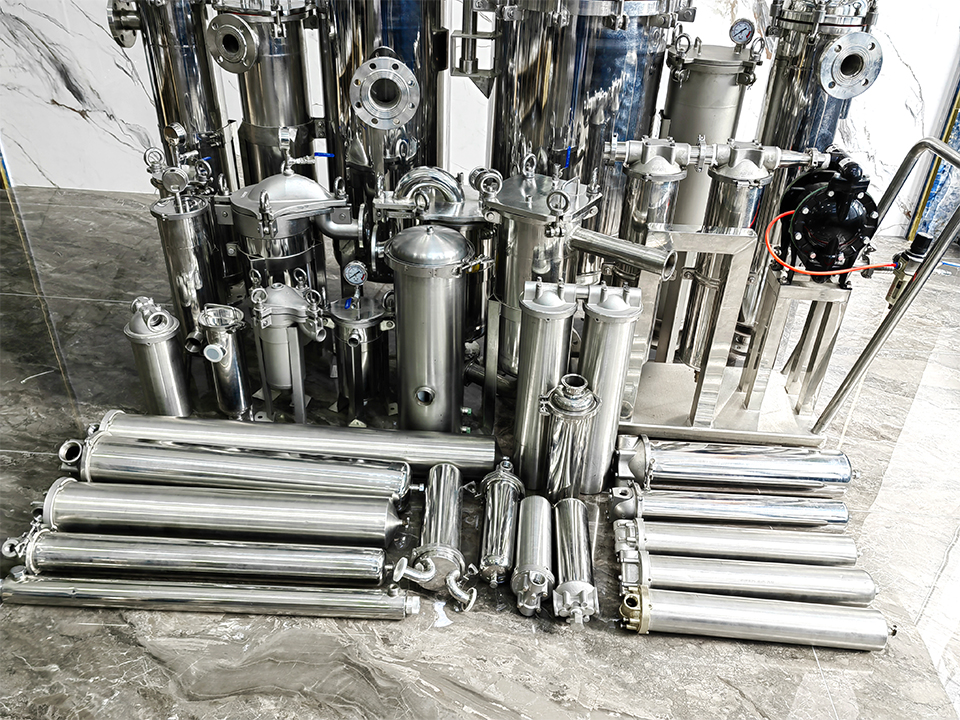
Guangzhou Lvyuan Water Purification Equipment Co., Ltd. es un fabricante de filtros industriales fundado en 2009 que diseña y fabrica carcasas de filtros de acero inoxidable, depósitos de agua estéril de acero inoxidable, elementos filtrantes, bolsas filtrantes, materiales ultrapolímeros y productos de filtros sinterizados. Los compradores eligen Lvyuan por el soporte OEM/ODM, el control de calidad ISO9001 y las certificaciones multinacionales.
Cómo detectar la derivación de cartuchos en depósitos multirrueda
Muchos bypass se están quemando.
Por eso se pasa por alto; no porque los conductores sean tontos, sino porque la derivación del cartucho filtrante no suele llegar aquí con dramatismo, espuma, sistemas de alarma o un heroico pico de presión; aparece como una tensión diferencial “aceptable”, un ejemplo de aguas abajo algo sucio y un grupo de mantenimiento que promete que los cartuchos se instalaron correctamente.
Que es la trampa, ¿no?
De hecho, he visto plantas que sustituyen cartuchos impecablemente buenos mientras dejan intacto al genuino malo: una junta EPDM comprimida, un adaptador 222 deformado, un asiento de filo de navaja dañado o un cartucho en una carcasa de filtro multicartucho que descansa 3 mm más alto que los demás. El sistema se mantiene en movimiento. La báscula parece tranquila. El producto se desliza silenciosamente por el soporte.
La cruda realidad sobre el bypass del cartucho filtrante
El desvío del cartucho filtrante es la circulación no filtrada o parcialmente filtrada que se forma cuando el líquido se desplaza por el medio filtrante en lugar de hacerlo con él, generalmente a través de juntas tóricas que no funcionan, tapones sueltos, asientos defectuosos, carcasas dañadas, adaptadores rotos o compresión irregular en la configuración de carcasas de filtros múltiples.
Pretendemos que el fallo de filtrado es un problema de cartuchos.
Normalmente, se trata de un problema de vivienda.
En 2024 el lenguaje de advertencia de la FDA en torno a la fabricación esterilizada, el mismo patrón apareció una y otra vez: controles de procesos débiles, técnica de investigación deficiente, falta de procedimientos compuestos, y presunciones negativas relativas a la evitación de la contaminación. Reuters también informó en octubre de 2024 que una importante fábrica de medicamentos estériles de EE.UU. había repetido búsquedas de evaluación de la FDA vinculadas a puntos débiles de control de la contaminación. No, no era un artículo sobre prefiltros de agua. Pero la lección viaja bien: cuando el procedimiento depende de un obstáculo, la documentación no es la barrera- el obstáculo es el obstáculo.
Un cartucho sella o no sella.
Por qué las inmobiliarias multirronda ocultan mejor el bypass que las viviendas individuales
Las inmobiliarias de una sola vuelta son directas. Molestamente veraces.
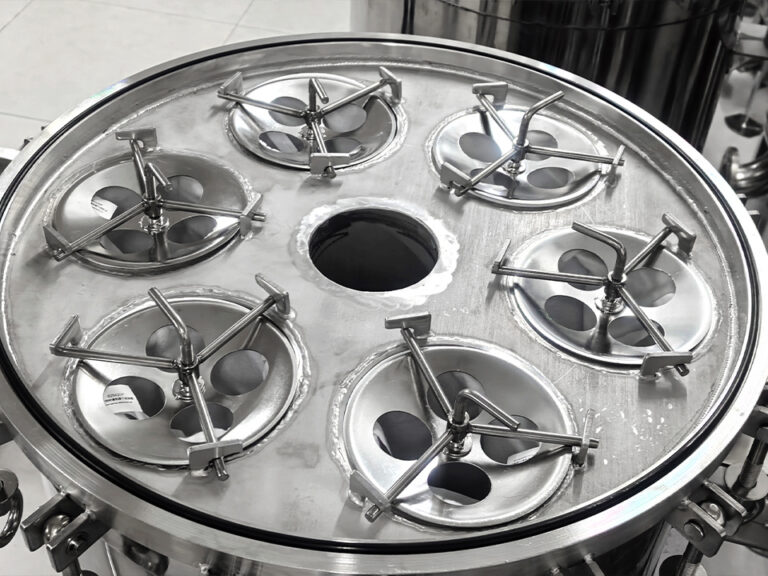
Cuando falla un cartucho en una sola instalación, todo el sistema se viene abajo: cae la presión, disminuye la calidad, se modifican las acciones de circulación o el resultado del examen aguas abajo se vuelve desagradable. Sin embargo, en una instalación de varias rondas, un cartucho defectuoso puede esconderse detrás de once cartuchos excelentes, o de treinta y nueve cartuchos excelentes, dependiendo del recipiente.
Por eso es tan agravante la derivación de la carcasa del filtro multirronda. La inmobiliaria produce un efluente mixto. Un asiento del cartucho puede tener fugas, mientras que el resto de la entidad financiera lleva a cabo normalmente adecuada para que el resultado típico parece aceptable.
Para sistemas de bajo caudal, se puede utilizar un plato transparente como un pequeño cartucho filtrante de PP con inmobiliario transparente hace que la inspección estética sea menos complicada, pero los operarios industriales rara vez consiguen ese lujo cuando se pasan a los recipientes multicartucho de acero inoxidable.
Los caminos de circunvalación que nadie quiere confesar
Voy a declarar el componente desfavorable.
Gran parte de la derivación se monta a mano.
No maliciosamente. No descuidadamente cada vez. Sin embargo, durante el cambio, cuando los operarios están húmedos, con prisas, cansados y trabajando bajo el estrés de la producción, los pequeños errores se convierten en vías hidráulicas más rápidas.
Las vías de derivación habituales consisten en:
Fuente de derivación
Cómo se ve sobre el terreno
Cuál suele ser su causa
Sugerencia de detección
Junta tórica cortada
El asiento de un cartucho tiene fugas mientras que los demás sellan
Montaje en seco, sustancia lubricante incorrecta, lado del adaptador afilado
Cartucho limpio pero sucio aguas abajo ejemplo
Junta aplastada
La foca parece ancha, brillante y cansada
Sobrecompresión o hinchazón química
El bypass se repite tras sustituir el cartucho
Estilo de tapa incorrecto
El cartucho parece instalado pero no se bloquea
Desajuste DOE/SOE, confusión 222 vs 226
Baja tensión diferencial inesperada
Mensaje de centro doblado
El cartucho se inclina ligeramente bajo compresión
Eliminación brusca o daños inmobiliarios
Elevación irregular del cartucho
Adaptador roto
La junta supera la comprobación estática, pero falla en circulación
La preocupación es “si el líquido tenía otro curso”.”
Paso 1: Dejar de confiar en la tensión diferencial por sí sola
La presión diferencial sirve. No es una confesión.
Una carcasa de filtro de presión diferencial puede revelar una tensión regular mientras que el bypass es enérgico, en particular por lo que 1 o 2 cartuchos tienen fugas en un gran conjunto de varias rondas. De hecho, una disminución de la tensión sospechosamente baja después del cambio debe hacerle más ansioso, no menos.
Si un sistema funciona históricamente a 0,6 bares limpios ΔP y de repente empieza a funcionar a 0,2 bares con la misma circulación, espesor, nivel de temperatura y calidad de cartucho, no conmemore. Pregunte a dónde se fue la resistencia.
Para la prefiltración de residuos, los operadores suelen contrastar la eficacia entre cartuchos comunes como Cartuchos filtrantes de sedimentos de PP de 5 y 10 micras y cartuchos de mayor formato. Esa comparación sólo funciona si las juntas hacen su trabajo. De lo contrario, no está comparando medios. Se están comparando fugas.
Paso 2: Realizar un cribado de partículas o turbidez aguas abajo antes y después del cambio.
A continuación se muestra el examen de la zona en la que confío más que en la escala de estrés.
Cata aguas arriba. Muestra aguas abajo. Repetir después del cambio de cartucho al mismo precio de circulación.
Para el suministro de agua, el cribado de turbidez, SDI, materia fragmentada o sólidos en suspensión puede poner al descubierto el bypass rápidamente. Para los líquidos de proceso, utilice el contaminante que importa: sanciones de carbono, suciedad del conductor, óxido, perlas de resina, toneladas biológicas, cuerpos de color o lo que el cartucho esté destinado a preservar.
Pero no tome un ejemplo bonito y siga adelante.
Tome un ejemplo de puesta en marcha, otro de 10 minutos y otro de 30 minutos. La derivación provocada por una junta tórica débil puede aparecer tras un crecimiento térmico, vibración o estabilización de la circulación. El primer recipiente puede mentir.
Paso 3: Compruebe la colocación del cartucho como un investigador
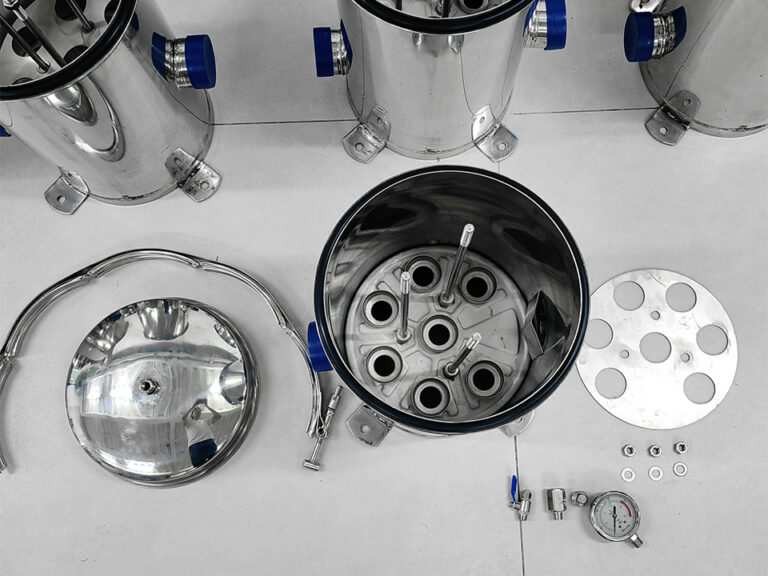
Una rutina de detección de desvíos de cartuchos debe incluir el examen físico de cada asiento, no sólo un vistazo al interior del recipiente.
Deseo que examinen a los conductores:
Uniformidad de la altura del cartucho
Cortes, hinchazón, aplastamiento o torsión en espiral de la junta tórica.
Ajuste de la tapa: DOE, SOE, 222, 226, aleta, nivel
Contacto por muelle o placa de compresión
Arañazos y marcas de corrosión en la chapa del tubo
El adaptador se fractura bajo una luz brillante
Si una posición del cartucho sigue dejando de funcionar después de cada cambio
Esto último es lo más importante.
Cuando la misma posición de alojamiento produce un desarrollo duplicado, deje de culpar al distribuidor de cartuchos. El recipiente está charlando.
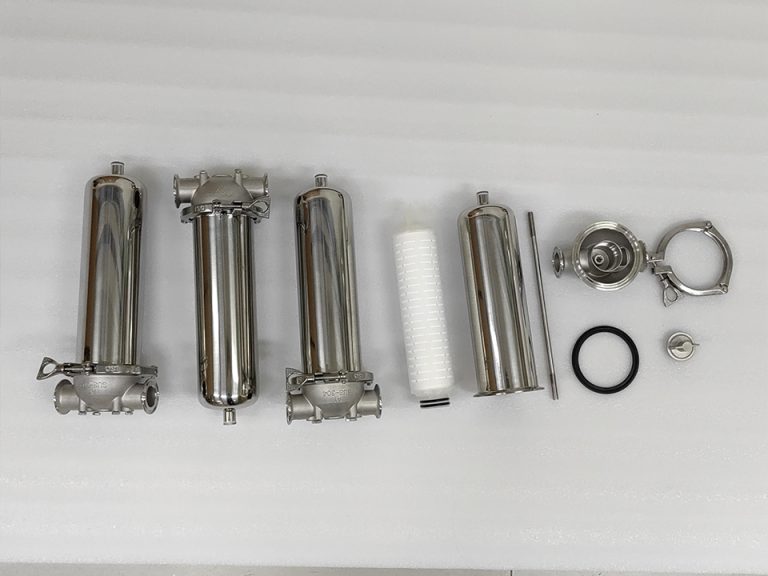
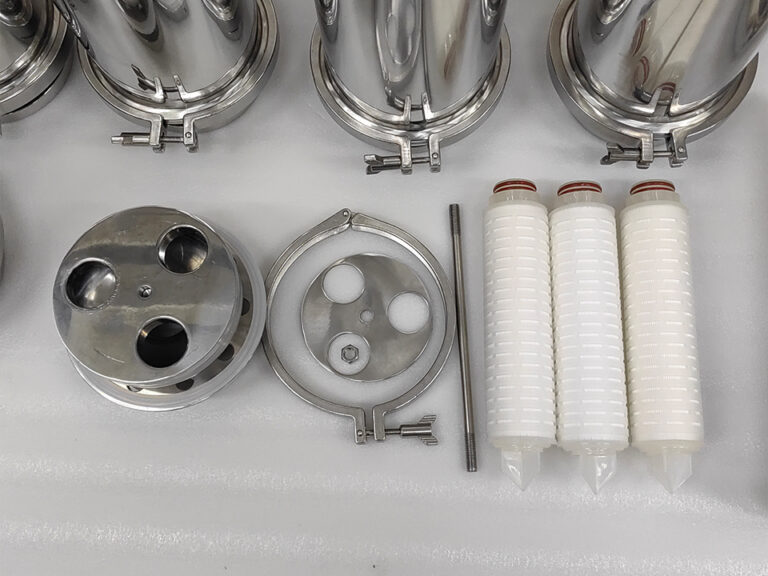
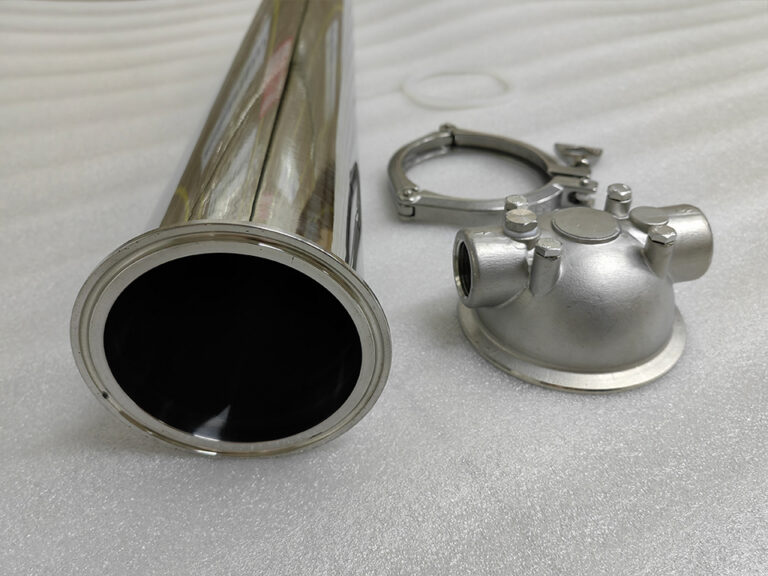
Una combinación adecuada Carcasa del filtro de cartucho de acero inoxidable 304 o 316 minimiza varios de estos peligros, ya que la carcasa, la rosca, la junta y la interfaz del cartucho están diseñadas como un sistema. Mezclando cartuchos de oferta con geometría de asiento no identificada es como las plantas ahorran $3 y pierden un lote.
Consejo 4: Recurra a un examen de dificultad cuando la amenaza lo justifique
No todos los procedimientos requieren un examen completo de las dificultades de los laboratorios de investigación.
Sin embargo, si el líquido filtrado alimenta membranas de ósmosis inversa, baños de chapado, bucles de enjuague esterilizados, productos químicos de alto valor, clarificación de bebidas o agua de grado electrónico, un examen fundamental de saneamiento aguas abajo podría no ser suficiente. Se necesita un obstáculo controlado.
Un examen de desafío útil utiliza una carga aguas arriba conocida y confirma la retención aguas abajo. En un pretratamiento de agua sencillo, esto puede implicar el recuento de partículas. En sistemas más estancos, podría sugerir un razonamiento de dificultad microbiana, penetración de colorante, prueba de punto de burbuja, prueba de difusión o prueba de retención de presión, dependiendo del tipo de cartucho.
No aplique irreflexivamente métodos de honradez de membrana a los cartuchos de profundidad.
El PP soplado, la membrana plisada, los cartuchos sin núcleo de alto flujo y los filtros sinterizados no se comportan exactamente igual. A cartucho soplado de descongelación de polipropileno de gran diámetro y alto caudal tiene diferentes acciones de aseguramiento y flujo que un pequeño cartucho de sedimentos DOE de 10 pulgadas. Exactamente la misma palabra: filtro. Diferente mascota.
Paso 5: Esperar el “cartucho también limpio” después del mantenimiento
Este es mi truco sucio preferido.
Cuando extraiga cartuchos de un alojamiento de varias rondas, contrástelos. No se limite a echarlos directamente en un tambor.
Si once cartuchos parecen empaquetados y uno tiene un aspecto inusualmente ordenado, es posible que ese cartucho limpio no haya estado funcionando realmente. Es posible que se haya desviado, desacoplado, obstruido en el extremo incorrecto o colocado en una bolsa de circulación muerta.
Los operadores suelen intentar encontrar el cartucho más sucio.
Busco al inocente.
Para el envasado de altos sólidos, cartuchos grandes como cartuchos filtrantes de PP de 1 a 50 micras para agua sucia necesitan mostrar un patrón de llenado creíble. Si la calidad descendente es mala y un cartucho parece intacto, eso no es suerte. Es una prueba.
Acción 6: Construir un mapa de circunvalación, no una memoria de mantenimiento
Documente qué posiciones se quedan cortas.
Lo insinúo. Numerar hoja de televisión. Marque la placa de sujeción. Fotografíe el diseño del cartucho después de cada cambio durante 3 meses. Realice un seguimiento de la tensión diferencial, la velocidad de circulación, la temperatura, el lote de cartuchos, el producto de la junta tórica y el resultado aguas abajo.
La mayoría de las plantas no tienen un problema de purificación. Tienen un problema de evidencia.
Un registro de derivación real debe incluir:
Factor de datos
Por qué es importante
Bandera roja
Identificación inmobiliaria
Separa los problemas del recipiente de los del cartucho
El mismo recipiente falla repetidamente
Posición del cartucho
Encuentra asientos y adaptadores deficientes
El mismo puerto produce avances
Producto de junta tórica
Rastrea la compatibilidad química
El NBR se hincha, la silicona se corta, el EPDM se aplana
Limpiar ΔP
Establece la resistencia de referencia
ΔP baja repentinamente después del cambio
Velocidad de circulación
Detiene la comparación falsa
El mayor caudal se achaca a los “malos filtros”
Temperatura
Influye en el grosor y los hábitos de las focas
El procedimiento en caliente produce fugas periódicas
Fragmento de materia descendente
Valida la retención real
Información de presión ordenada, efluente sucio
Notas del conductor
Realidad de la configuración de las capturas
“Difícil de sentar” aparece dos veces
El fallo de la junta tórica es el asesino silencioso
El fallo de la junta tórica en los filtros de cartucho no es extravagante. Bien.
Por eso merece incluso más atención que las hojas publicitarias de los medios de comunicación. La junta tórica es el límite de seguridad. Si deja de funcionar, la puntuación en micras se convierte en un reclamo de folleto de ventas.
Los productos de estanquidad más comunes son EPDM, silicona, NBR y Viton. Cada uno tiene una personalidad química diferente. El agua caliente, los oxidantes, los aceites, los disolventes, los ácidos y los representantes de limpieza los castigan de forma diferente. Y, de hecho, los conductores reutilizan absolutamente las juntas tóricas que han debido desechar.
Una junta tórica hinchada no es “sellado añadido”.”
Podría ser químicamente agredido, dimensionalmente impredecible, y listo para presentar de la glándula a lo largo de la compresión.
Mi lista de comprobación para descubrir el bypass de cartuchos
Utilícelo cuando el sistema sea travieso y cada persona esté sugiriendo.
Consulte
Condición de aprobado
Estado de fallo
Qué hacer después
Tensión diferencial limpia
Iguala la norma histórica en la misma circulación
Inusualmente bajo ΔP
Inspeccionar los asientos y el traje de la tapa
Turbidez aguas abajo o bits
Reducción constante tras el arranque
Innovación después de 10- treinta minutos
Comprobar las juntas tóricas en condiciones de funcionamiento
Patrón de llenado del cartucho
Empaquetamiento uniforme del polvo en todas las posiciones
Un cartucho parece ordenado
Examine ese asiento y el adaptador
Inspección de juntas tóricas
Redondo, elástico, sin cortar, material adecuado
Apartamento, cortado, hinchado, torcido
Sustituir juntas, verificar compatibilidad
Inspección de la sede inmobiliaria
Cara de sellado lisa
Rasguños, óxido, daños
Servicio de reparaciones o retirar parte inmobiliaria
Fallo de repetición de posición
Fallo aleatorio o sin repetición
La misma ranura se queda corta repetidamente
Mapa defecto vivienda
Prueba de desafío
Satisface la retención prevista
Desafío aguas abajo detectado
Pasar a revisión de honestidad inmobiliaria
Preguntas frecuentes
¿Qué es el bypass del cartucho filtrante?
El desvío del cartucho filtrante es un fallo de filtración en el que el líquido impide el curso designado del medio filtrante y se desplaza a través de espacios, juntas dañadas, tapas de extremo aflojadas, adaptadores partidos o asientos inmobiliarios deformados, permitiendo que las partículas, gérmenes o contaminantes del proceso pasen aguas abajo a pesar de que los cartuchos aparecen instalados y la carcasa permanece presurizada. En las carcasas de varios cartuchos, es más difícil de detectar, ya que el flujo deficiente se combina con el líquido filtrado correctamente de otros cartuchos.
¿Cómo se identifica el desvío de cartuchos en una carcasa de filtro de varias vueltas?
Descubrir el bypass de un cartucho en un filtro multironda significa comparar las acciones de presión, los datos de alta calidad aguas abajo, los patrones de llenado de los cartuchos y el estado físico del sellado para comprobar si el líquido pasa alrededor de uno o más cartuchos en lugar de con el medio. Empezando con comprobaciones estándar de ΔP ordenado, después valide con materia de bits, turbidez, SDI o detección de impurezas específica del proceso. Por último, examine cada junta tórica, asiento de la lámina del tubo, adaptador y punto de llamada de sujeción.
¿Puede la presión diferencial demostrar que no hay derivación?
La tensión diferencial no puede demostrar que no hay derivación, ya que un asiento de cartucho con fugas puede reducir la resistencia a la circulación mientras que los cartuchos que siguen siéndolo siguen produciendo una caída de tensión suficiente para parecer normales en una escala común. Utilice ΔP como una señal de precaución, no como una decisión. La mejor prueba proviene de la combinación de patrones ΔP con pruebas de impurezas aguas abajo y la inspección cartucho por cartucho después de la solución.
¿Qué provoca el fallo de la junta tórica en los filtros de cartucho?
El fallo de la junta tórica en los filtros de cartucho se debe a incompatibilidad química, rotura térmica, instalación en seco, compresión excesiva, torsión durante la inserción, reutilización tras deformación o cortes físicos por adaptadores dañados y superficies de alojamiento afiladas. Las ideas visibles son aplastamiento, hinchazón, rotura, marcas en espiral, textura pegajosa o una posición del cartucho que gotea continuamente a pesar de ser cartuchos nuevos. Cambie las juntas sospechosas en lugar de debatirlas.
¿Por qué un cartucho parece más limpio que los demás después del procedimiento?
El hecho de que un cartucho parezca más limpio que los demás suele indicar que no ha recibido un flujo regular, que no se ha sellado correctamente o que se ha utilizado en una configuración de derivación en la que el líquido se ha movido alrededor en lugar de con el medio filtrante del cartucho. En una carcasa de filtro de varios cartuchos, la carga desigual de polvo es una evidencia. Extraiga los cartuchos minuciosamente, compárelos uno al lado del otro y explore el valor atípico ordenado antes de culpar a todo el conjunto de filtros.
Última toma
La derivación de cartuchos filtrantes no es un enigma. Por lo general, se trata de un problema de interfaz de usuario ignorado que se esconde tras análisis de presión medios y hábitos de examen perezosos.
Deberíamos dejar de tratar el cambio de cartuchos como una tarea de consumibles y empezar a tratarlo como una tarea de contención. Los consumibles importan. El micraje importa. Sin embargo, el sello decide si uno u otro obtiene un voto.
Para la selección de cartuchos OEM, comprobaciones de ajuste de bienes inmuebles o una revisión funcional de su configuración de filtración actual, comience por la interfaz cartucho-carcasa y, a continuación, seleccione la mejor disposición de bienes inmuebles de PP, fundido soplado, jumbo, de alto flujo o inoxidable para el trabajo.