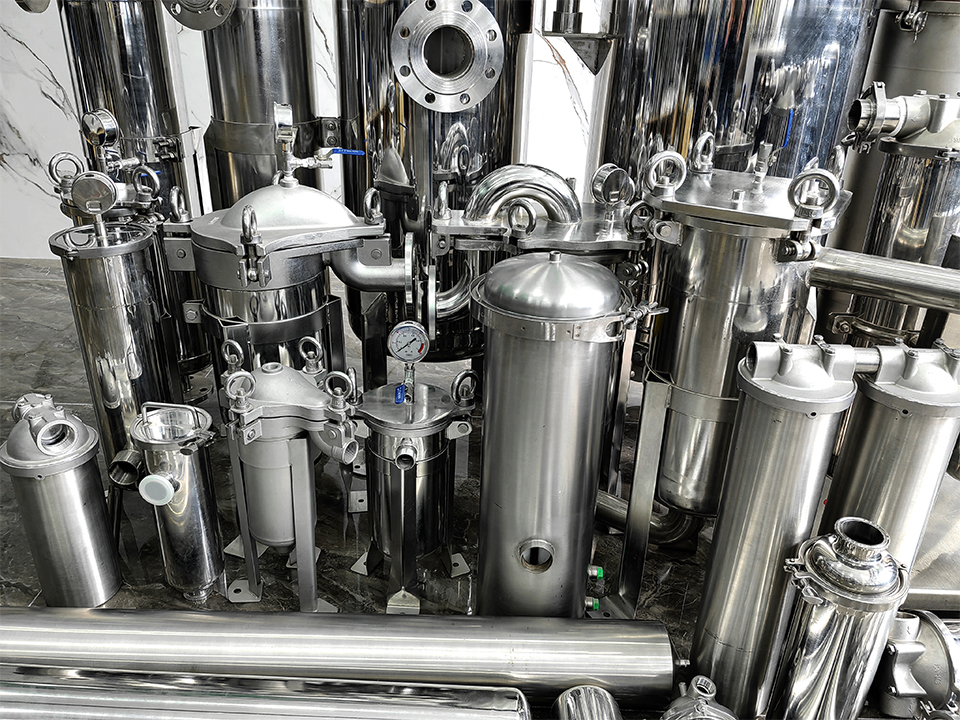
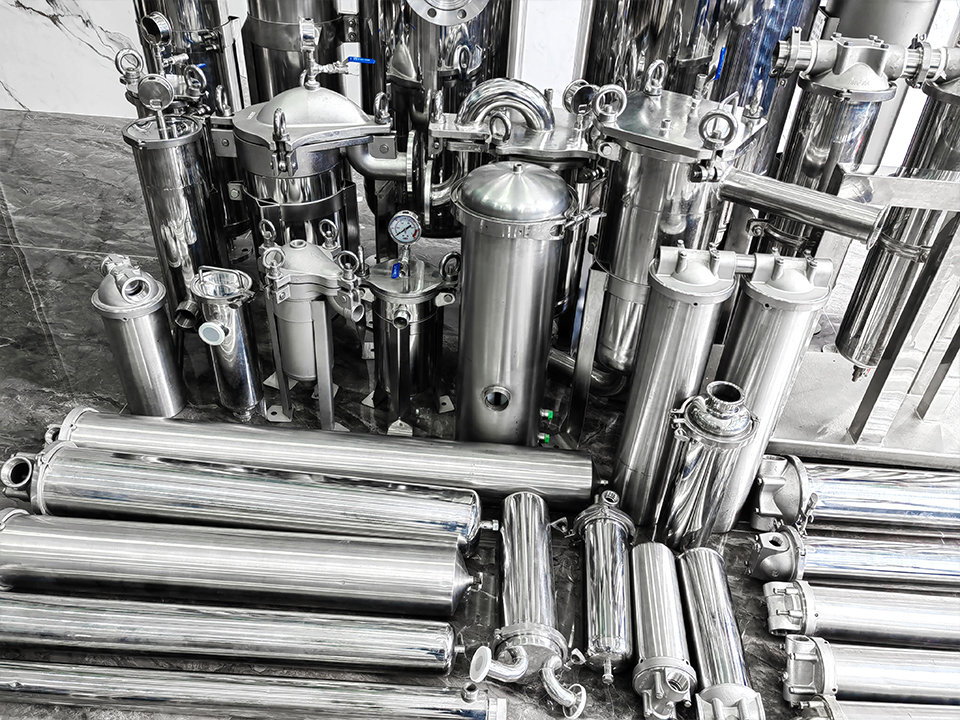
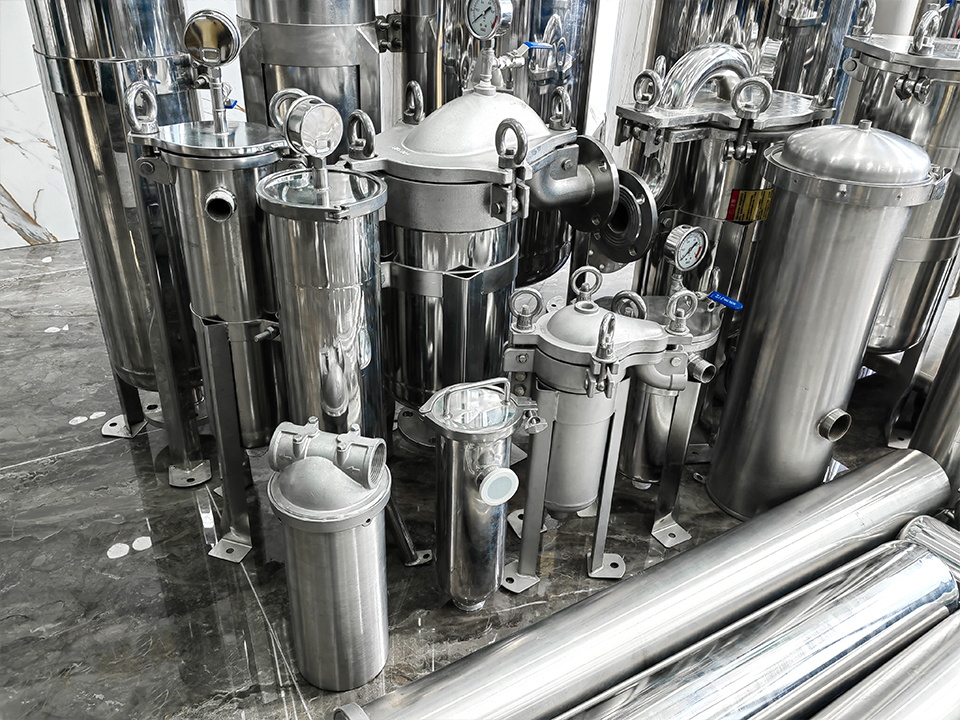
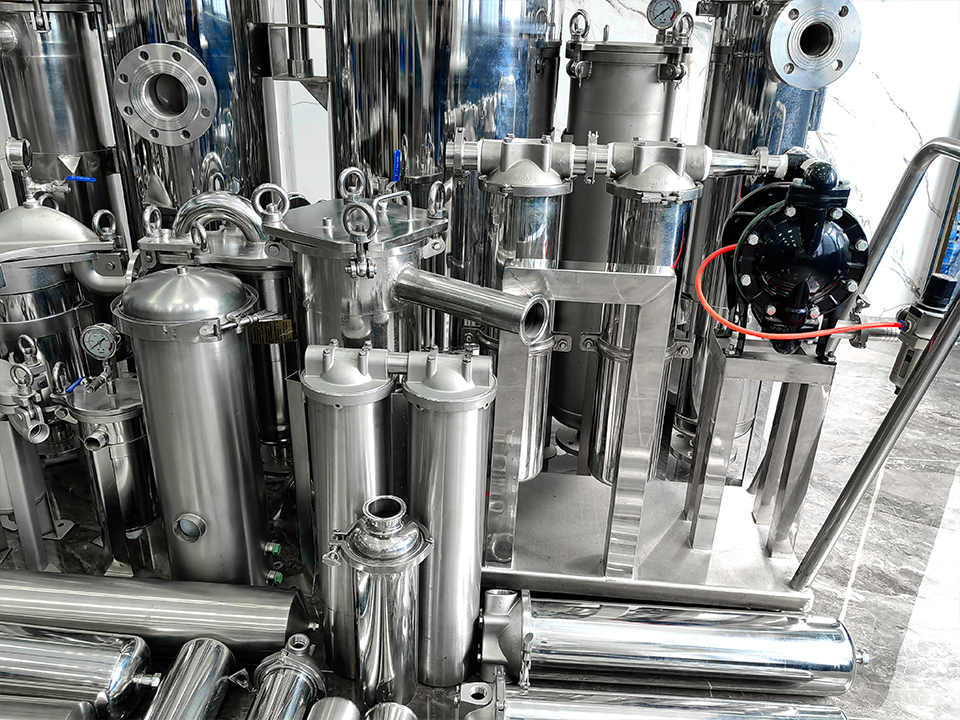
Guangzhou Lvyuan Water Purification Equipment Co., Ltd. es un fabricante de filtros industriales fundado en 2009 que diseña y fabrica carcasas de filtros de acero inoxidable, depósitos de agua estéril de acero inoxidable, elementos filtrantes, bolsas filtrantes, materiales ultrapolímeros y productos de filtros sinterizados. Los compradores eligen Lvyuan por el soporte OEM/ODM, el control de calidad ISO9001 y las certificaciones multinacionales.
Rotura de juntas tóricas en carcasas de filtros de mangas: Causas y soluciones
Una junta tórica de un filtro de bolsa es un diminuto elemento elastomérico que se ve afectado por la presión, los productos químicos, el calor, las prácticas de los operarios, la calidad de las soldaduras, la geometría de las abrazaderas y todas las medidas de agilización de la adquisición que la planta haya adoptado desde su instalación; cuando se producen fugas, la explicación más sencilla es “sustituir la junta”, pero la realidad suele ser más compleja. ¿Por qué falló la junta antes de que se obstruyera el filtro de mangas?
De hecho, he observado exactamente el mismo patrón en demasiadas conversaciones sobre la resolución de problemas relacionados con los filtros: el equipo de mantenimiento culpa a la junta tórica, el departamento de compras culpa al proveedor, el departamento de producción culpa al operador, y nadie se pregunta si las características del filtro se ajustaron en algún momento al fluido real, la temperatura, los ciclos de presión, el producto químico de limpieza y el par de apriete.
Ahí está el problema.
Una carcasa de filtro de mangas industrial por la que gotea líquido no es un defecto estético. Se trata de una advertencia sobre el control del proceso, un peligro de contaminación y, en el ámbito de las soluciones químicas, un incidente de seguridad que intenta presentarse de forma agradable. El informe de 2025 de la Junta de Seguridad Química de Estados Unidos sobre el caso Honeywell Geismar pone de manifiesto lo que los especialistas ya saben: los fallos en juntas y bridas no son “pequeños problemas de equipamiento” cuando hay productos químicos agresivos y presión de por medio; una fuga de HF se debió a el fallo de una junta espiral, provocó una lesión mortal y supuso unos daños estimados en $14 millones.
La cruda realidad: la mayoría de los fallos de las juntas tóricas se producen durante el montaje, no durante la fabricación.
Un fallo en la junta tórica de un filtro de mangas suele comenzar antes de que aparezca la primera gota en el suelo. Se produce cuando se especifica un elastómero inadecuado, cuando la ranura presenta muescas, cuando la abrazadera se aprieta en exceso, cuando la tapa se cierra descentrada o cuando un líquido de limpieza cáustico y caliente entra en contacto con una junta que se eligió por ser “la habitual”.”
La norma supone una amenaza.
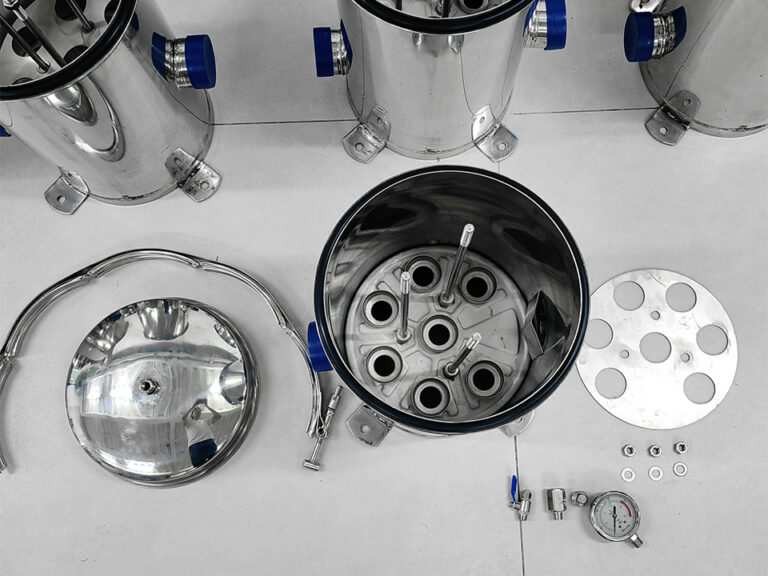
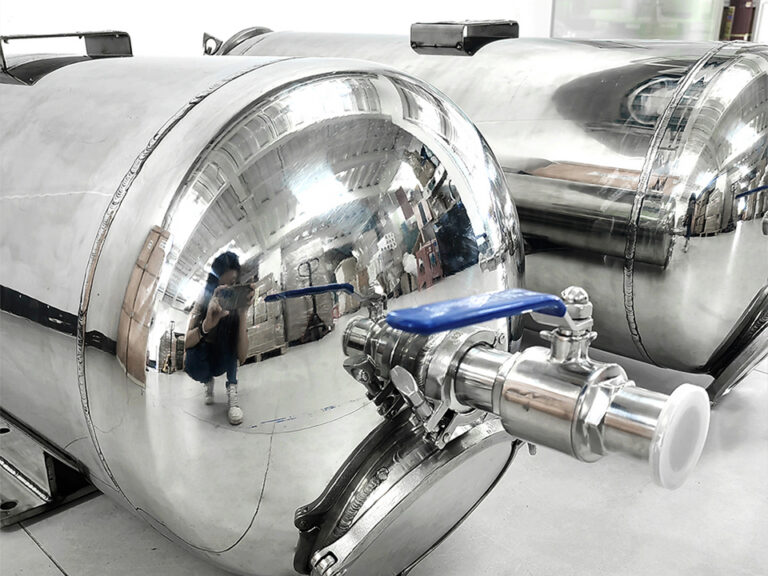
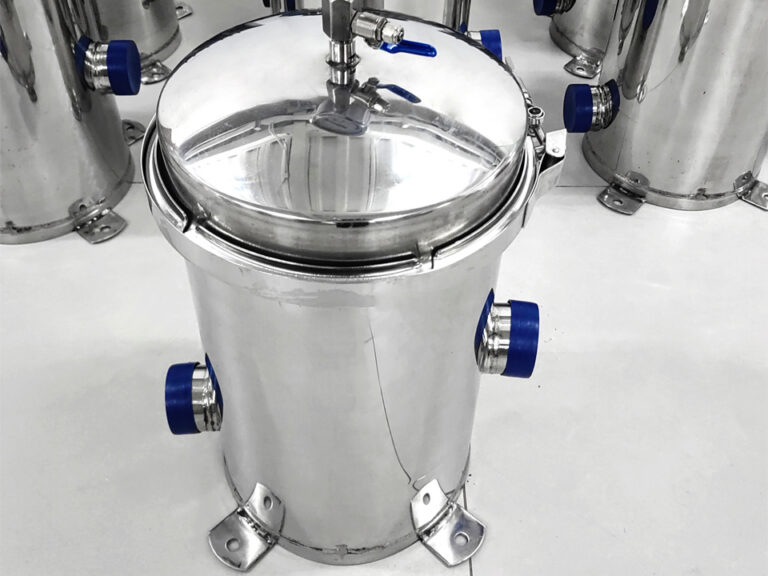
Ya sea para agua, refrigerante, sistemas de capas, aceite comestible, disolventes, tinta, resina, pretratamiento de ósmosis inversa o aguas residuales, la junta tórica no es una pieza de recambio. Se trata de una decisión de compatibilidad. A Filtro sanitario de acero inoxidable para líquidos con cartucho y bolsa de filtración Podría utilizar carcasas de acero inoxidable SS304, SS316 o SS316L, con bolsas filtrantes de PP o PE, conexiones con brida o roscadas, y opciones de presión de trabajo de unos 100/150/300 psi; esa variedad por sí sola ya explica por qué un material de sellado universal es el sueño de cualquier fabricante.
Sin embargo, muchas fábricas siguen comprando de esta forma.
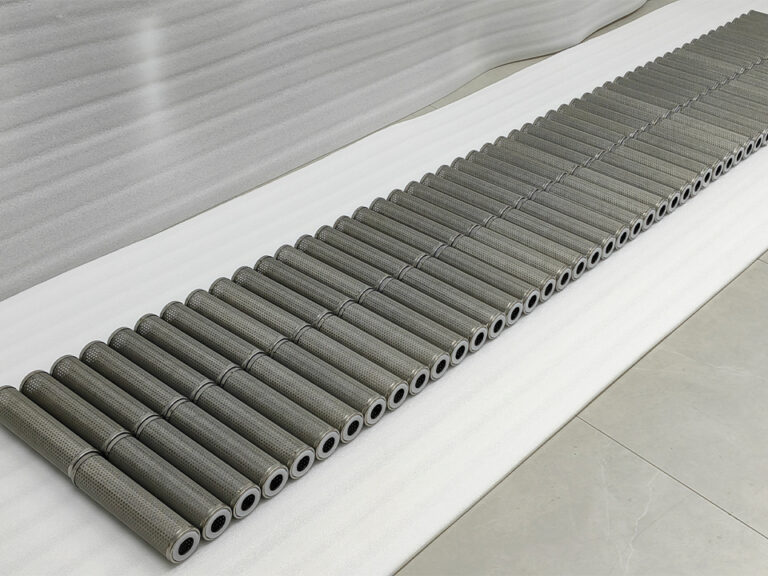
Ese mismo razonamiento descuidado también se da en los sistemas de cartuchos. A Cartucho filtrante plisado de PP puede utilizar productos de sellado de silicona, EPDM, NBR, Viton o teflón, con resistencias térmicas en torno a los 80 °C y restricciones definidas de presión diferencial. Si el distribuidor de cartuchos considera el material de sellado como una variable de diseño seleccionable, ¿por qué alguien iba a considerar la junta tórica de un filtro de bolsa como algo secundario?
¿Qué es lo que, de hecho, estropea la junta tórica de la carcasa de un filtro de mangas?
Hay siete «sospechosos habituales». Se solapan entre sí. Por eso el diagnóstico se vuelve impreciso.
Huelga química
El EPDM es resistente al agua caliente, a las soluciones con vapor, a los ácidos diluidos en agua y a numerosos lavados de tipo CIP. El NBR se utiliza habitualmente en entornos con aceites e hidrocarburos. El FKM/Viton soporta muchos disolventes y temperaturas más elevadas mucho mejor que los elastómeros comunes. La silicona es flexible y no ensucia, pero no es un escudo mágico contra el hinchamiento, los desgarros o el abuso por compresión.
Así pues, la verdadera pregunta no es “¿qué junta tórica es la mejor?”. La verdadera pregunta es: ¿qué sustancia química, qué concentración, a qué temperatura, durante cuánto tiempo y a qué presión?
Una junta tórica de la carcasa de un filtro de líquidos expuesta a NaOH a 60 °C se comporta de forma diferente a otra sometida al agua bruta a temperatura ambiente. Una junta expuesta al etanol, al MEK o a compuestos aromáticos no envejecerá igual que una expuesta al agua de alimentación de una caldera de calefacción central. Aquí es donde la búsqueda de materiales de bajo coste acaba saliendo cara. La junta se hincha, se ablanda, se deforma, se agrieta o se deforma de forma permanente; entonces, el operario aprieta la tapa con más fuerza y da el asunto por resuelto.
No lo es.
Compresión establecida
La deformación permanente por compresión es la pérdida de memoria de la junta. La junta tórica se somete a presión durante meses, se calienta, se enfría, se estira y se vuelve a comprimir, hasta que, finalmente, deja de recuperar su forma original. Cuando esto ocurre, el cierre puede parecer hermético y, aun así, presentar fugas.
Ahí está el problema. Una carcasa de filtro de bolsa de acero inoxidable puede parecer en buen estado desde el punto de vista mecánico, pero, en realidad, el elastómero ya ha perdido su presión de recuperación. La abrazadera de la tapa o el tornillo oscilante ya no sellan la carcasa; simplemente mantienen el acero en su sitio.
Sobrepresión y ciclismo de presión
Los ciclos de presión afectan más a las juntas que una tensión constante. Un sistema que funcione a 4 bar durante todo el día puede resultar menos agresivo que uno en el que la presión oscile entre 1 bar y 6 bar cada dos minutos debido a arranques de la bomba, golpes en las válvulas aguas abajo, obstrucciones en las bolsas o bolsas de aire.
Aquí es donde me pongo tajante: si tus controladores solo registran la tensión de entrada y nunca, jamás, registran la tensión diferencial a lo largo de la bolsa, estás volando a ciegas.
Un ΔP creciente indica que la bolsa se está colmando. Una caída inesperada puede deberse a un derivación, un desgarro, un mal asentamiento o un colapso de la bolsa. Una fuga en la cubierta tras un cambio de bolsa puede que no se deba en absoluto a un problema con la junta tórica; podría tratarse de un problema de gestión de la presión al utilizar un conjunto de juntas tóricas.
Problema de surcos defectuosos
Fíjate muy bien en la ranura. No de pasada. Fíjate bien.
Una rayadura, un cordón de soldadura, un fragmento incrustado, un reborde aplanado, una picadura de óxido o una rebaba pueden provocar una fuga. En un inmueble bien cuidado, estos problemas permanecen ocultos hasta que la presión los pone de manifiesto. En un inmueble descuidado, son evidentes, y todo el mundo hace como si no los viera.
Para instalaciones de alta presión o compactas, un filtro angular de acero inoxidable para el sector inmobiliario ofrece una indicación útil: las cuestiones relacionadas con la geometría de los inmuebles —como la sustitución de superficies, la accesibilidad de los cartuchos, el tamaño de los poros, la resistencia a la tensión y la sujeción de las superficies— forman parte de la facilidad de mantenimiento, y no de la ornamentación metálica.
Desalineación de la tapa
Los cierres de apertura rápida son excelentes, salvo cuando los conductores con prisa los utilizan de forma brusca. Una tapa que se coloque ligeramente descentrada puede pellizcar la junta tórica, raspar el borde exterior o provocar una compresión desigual. Es posible que la fuga no se detecte en el primer ciclo, sino que no aparezca hasta el segundo cambio.
Entonces todo el mundo critica al equipo de la noche.
Choque térmico
CIP en caliente, enjuague en frío, reactivación del proceso en caliente. Repetir. Los elastómeros se mueven. Peldaños de acero inoxidable. No exactamente al mismo ritmo.
Si se detecta una fuga en la junta de la carcasa del filtro de mangas tras un lavado o la puesta en marcha, las oscilaciones de temperatura deben ser una de las principales sospechas. Una junta que resiste a 80 °C en condiciones estables puede fallar tras ciclos repetidos de calor y frío, especialmente si el diseño del casquillo es deficiente o si la junta tórica ya se ha deformado.
Componentes adicionales incorrectos
Este juego es vergonzosamente corriente. La junta tórica de recambio es “suficientemente parecida”. El mismo color. El mismo diámetro aparente. Dureza desconocida. Material desconocido. Certificación desconocida. Cómpralo rápido.
La cruda realidad: una junta tórica con una sección transversal de 5 mm y otra con una sección transversal de 5,33 mm no son la misma pieza en un cierre a presión. Tampoco lo son el EPDM 70 Coast A y el FKM 75 Coast A cuando el casquillo se ha diseñado teniendo en cuenta el porcentaje de retención, la elasticidad y el comportamiento térmico.
La tabla de fallos que nadie tiene intención de presentar
Avería en la carcasa del filtro
Origen probable
Examen de área
Cuídate de verdad
La fuga comienza inmediatamente después de cambiar la bolsa
Junta tórica atascada, ranura sucia, desalineación de la tapa
Abrir y comprobar si hay marcas de corte o de torsión
Limpia la ranura, vuelve a lubricarla con un lubricante compatible y vuelve a colocar la tapa de forma que quede bien ajustada.
El goteo comienza al cabo de varios meses
Deformación permanente por compresión o envejecimiento químico
Compara la altura de la sección transversal antigua con la nueva
Sustituir por la sustancia adecuada y reducir el intervalo de evaluación
La junta tórica está hinchada o blanda
Conflicto químico
Evaluar la exposición a líquidos, productos químicos para el CIP y disolventes
Elastómero del interruptor: EPDM, NBR, FKM, silicona, encapsulado en PTFE según sea necesario
La junta tórica tiene cortes en un lado
Rebaba, borde afilado de la ranura, modificación de la abrazadera
Comprueba con mucho cuidado la ranura con el dedo, sin quitarte el guante.
Desbarbar, sellar la zona de contacto con el barniz brillante, comprobar la colocación de la cubierta
El goteo aparece justo cuando el flujo es elevado
Pico de presión, obstrucción de la bolsa, golpe de ariete
Evaluación del patrón de ΔP y del comportamiento de arranque de la bomba
Incluir el control de presión, sustituir las bolsas que había antes y comprobar la sincronización de la válvula de salida.
Fugas repetidas tras el sustituto “adecuado”
Deformación de la estructura o desgaste por cierre
Comprobar la planitud de la tapa, el equipo de sujeción y las medidas de la ranura de la junta
Reparar o sustituir las piezas de cierre, o bien proponer un diseño inmobiliario mucho mejor
Depósito de color marrón cerca de la junta
Sustancias corrosivas o sólidos presentes en fluidos contaminados
Limpia la ranura de prueba y evalúa los sólidos aguas arriba
Mejorar la prefiltración y comprobar los asientos de las bolsas
Por qué “limitarse a cambiar la junta tórica” es un mal mantenimiento
Cambiar la junta tórica es una tarea. Reparar la fuga es un diagnóstico.
Hay una diferencia.
En 2024, la OSHA actualizó las directrices de aplicación relativas a la seguridad de los procesos y la gestión de la seguridad de los productos químicos altamente peligrosos, con arreglo al artículo 29 CFR 1910.119, y el mensaje general para las instalaciones es el siguiente: la integridad mecánica, el autocontrol de las evaluaciones y el mantenimiento documentado son fundamentales cuando los equipos de proceso pueden liberar sustancias peligrosas.
Ahora bien, la mayoría de las instalaciones con filtros de mangas no se encuentran dentro de una unidad de alquilación de una refinería. De acuerdo. Sin embargo, el razonamiento mecánico es el mismo. Una junta que contiene líquido bajo presión debe seleccionarse, montarse, evaluarse y sustituirse siguiendo un protocolo de mantenimiento regulado, y no basándose en el conocimiento de las personas.
Los mensajes de la EPA sobre la aplicación de la normativa para el ejercicio fiscal 2024 también hacen hincapié en la presión reguladora en materia de residuos, riesgos químicos, agua y cumplimiento normativo industrial; las empresas que tratan las fugas como meros problemas de limpieza suelen descubrir, demasiado tarde, que las autoridades reguladoras abordan los vertidos de forma diferente.
Si el líquido es agua potable, el efecto podría afectar a la calidad del producto. Si se trata de un baño de galvanoplastia, un disolvente, una sustancia cáustica, una salmuera, aceite, resina, ácido o aguas residuales con alto contenido en sólidos, el efecto puede ser la exposición de los trabajadores, un vertido al medio ambiente, la pérdida de un lote o un cierre que nadie había previsto.
La secuencia de soluciones en la que confío
No empieces por la revista. Empieza por la fuga.
En primer lugar, aísla y despresuriza la carcasa. A continuación, abre la tapa sin arrastrarla por la junta tórica. Fíjate en la junta en su posición antes de tocarla. Sé que parece obsesivo. Pero no lo es. La marca de pellizco, el reborde de extrusión, el cuadrante aplanado o la sección abultada son pruebas, y esas pruebas desaparecen en cuanto alguien las limpia con un paño.
En segundo lugar, examina la ranura. Utiliza una luz. Acerca el zoom si es necesario. Pasa un dedo enguantado por el reborde de sujeción. Cualquier rebaba que se enganche en la tela puede desgastar la goma cuando se somete a tensión.
En tercer lugar, identifica el elastómero. No te fíes del color. El color engaña. Infórmate sobre la composición, la resistencia, el rango de temperaturas, la compatibilidad química y la trazabilidad. Para condiciones de uso adversas, el “caucho negro” no es una opción válida.
En cuarto lugar, revisa los asientos de las bolsas. Una bolsa filtrante o una cesta de apoyo mal colocadas pueden alterar el proceso de cierre, especialmente en la filtración de fluidos con alto contenido en sólidos. Si la cesta está deformada o el anillo de la bolsa no queda bien apoyado, la tapa puede enroscarse de forma irregular.
En quinto lugar, la presión diferencial de tendencia. La fuga puede ser indicio de que la bolsa está obstruida. En un sistema de varias etapas, la prefiltración en la etapa anterior podría reducir el mal uso en la fase final de la bolsa; ahí es donde un Configuración del sistema de filtración de la planta de tratamiento de aguas O bien, un enfoque gradual, al estilo inmobiliario, puede ser más que una simple mejora de capacidades: puede reducir la ansiedad relacionada con el sellado al evitar una carga repentina de sólidos.
En sexto lugar, sistematizar el paquete de recambios. Junta tórica, lubricante, lista de comprobación, par de apriete o secuencia de cierre, producto de limpieza compatible e intervalo de revisión. Sin recambios misteriosos.
Elección del producto: ¿EPDM, NBR, FKM, silicona o PTFE?
No me baso en el “material ideal para las juntas tóricas”. Me baso en el “producto menos inadecuado para esa situación de uso extremo”.”
El EPDM es una opción muy prometedora para el agua caliente y muchas soluciones acuosas, aunque no es adecuado para aceites. El NBR es apto para numerosas aplicaciones relacionadas con el aceite, además de resistir el ozono, la intemperie y algunos productos químicos. El FKM/Viton ofrece una mayor resistencia al calor y a los productos químicos en muchas aplicaciones con altos contenidos de disolventes, pero hay que tener en cuenta las restricciones relativas al caudal y al vapor a alta presión. La silicona ofrece flexibilidad y es ideal para servicios de limpieza, pero hay que comprobar su resistencia al desgarro y a los productos químicos. Las juntas tóricas encapsuladas en PTFE pueden soportar condiciones químicas extremas, pero requieren una técnica de sellado más adecuada y no toleran una geometría de compresión inadecuada.
En el caso de sistemas que funcionan a altas temperaturas o en condiciones adversas, en los que el fallo de los elastómeros no es más que una parte de un problema más amplio relacionado con los materiales, Malla metálica sinterizada a medida para el sector puede resultar relevante en las fases iniciales del proceso, especialmente cuando la gestión de sólidos y la estabilidad estructural son más importantes que el coste de los medios no reutilizables.
Las consecuencias económicas ocultas de una fuga en una junta tórica
A continuación te presento los cálculos matemáticos, que no son nada agradables.
Una junta tórica de recambio puede resultar asequible. Un conjunto de cobertizos, no. Un cierre de dos horas en plena temporada alta de producción, tampoco. Tampoco lo es una tanda de bebidas contaminadas, un baño de galvanoplastia rechazado, la limpieza de disolventes o una investigación sobre la exposición de los trabajadores. Una fuga de 1 litro por hora parece insignificante hasta que se prolonga durante todo un fin de semana, hace que la demanda química de oxígeno llegue directamente al desagüe o deja sólidos incrustados alrededor de la tapa del depósito.
Y después alguien dice: “Deberíamos haber cambiado la junta”.”
No. Deberías haber entendido el sello.
El lanzamiento en 2024 por parte de la Junta de Seguridad Química de EE. UU. de su vídeo sobre seguridad y protección de LyondellBasell es una clara indicación de que los trabajadores suelen sufrir lesiones no porque exista una pieza concreta, sino porque el sistema permite que las personas interactúen con equipos a presión o peligrosos bajo supuestos erróneos. En ese caso se produjo una fuga de una mezcla de ácido acético de los equipos tras la retirada de componentes esenciales de las válvulas; no se trata de un caso relacionado con filtros de bolsa, pero la lección es claramente aplicable: el diseño, los procedimientos y los límites mecánicos deben estar en consonancia.
Lista de medidas prácticas de prevención
Inclúyelo en el plan de mantenimiento, no en la memoria de alguien.
Control de mantenimiento
Criterio mínimo
Por qué se emite
Reconocimiento de juntas tóricas
Compuesto, Costa A: dureza, tamaño, lote/procedencia
Protege frente a alternativas “que parecen similares”
Evaluación de la ranura
Cada vez que se cambie la bolsa en una solución sucia o química
Detecta cortes, picaduras, residuos sólidos y rebabas antes de la reactivación
Control del lubricante
Simplemente una sustancia lubricante químicamente compatible
Evita la hinchazón, el deslizamiento o la contaminación
Secuencia de cierre
Además, esquema de apriete de abrazaderas y tornillos
Protege contra la compresión discriminatoria
Registro de ΔP
Antes y después del cambio de bolsa
Fallo del sellado de las divisiones debido al taponamiento de las bolsas
Testimonio sobre productos químicos
Se compone de un líquido para el procedimiento y un líquido limpiador
Los productos químicos CIP suelen matar a las focas más rápido que el artículo
Espacio de almacenamiento adicional
En un lugar fresco y oscuro, con la etiqueta visible, lejos de fuentes de ozono
Los elastómeros viejos fallan antes de la puesta en marcha
Imágenes de fallos
Antes de la extirpación, tras la extirpación, primer plano de la ranura
Analiza a fondo las causas fundamentales
Cuando un sustituto no es ni de lejos suficiente
Si cambias tres juntas tóricas en tres meses, deja de comprarlas.
El mercado inmobiliario habla por sí solo.
Comprueba si hay una cubierta deformada, una abrazadera desgastada, una cesta deformada, un anillo de la bolsa incorrecto, una ranura dañada, picos de tensión, productos químicos de CIP agresivos, un orificio de ventilación demasiado pequeño o una ubicación del filtro demasiado pequeña para la carga de sólidos. Una definición eficaz de carcasa de filtro industrial de acero inoxidable Debería facilitar el mantenimiento. Si cada ajuste de la mochila parece una lucha entre el acero, el caucho y la suerte, es que el diseño no te está ayudando.
Y si el proceso ha cambiado —nuevos productos químicos, mayor caudal, limpieza a temperaturas más altas, más sólidos, mayor tiempo de funcionamiento—, es posible que la selección original de juntas tóricas para la carcasa del filtro de mangas haya quedado obsoleta. Las plantas evolucionan más rápido que las listas de piezas de recambio.
PREGUNTAS MÁS FRECUENTES
¿Qué provoca el fallo de las juntas tóricas en las carcasas de los filtros de bolsa?
El fallo de las juntas tóricas en los filtros de bolsa se traduce en una pérdida de eficacia de sellado provocada por el ataque químico, la deformación por compresión, la sobrepresión, los ciclos térmicos, las ranuras dañadas, la desalineación de la tapa o el uso de un material de recambio inadecuado, lo que permite que el líquido se escape de la carcasa del filtro durante el proceso, la puesta en marcha, el cierre o la sustitución de la bolsa. La forma más rápida de diagnosticarlo es inspeccionar la junta defectuosa antes de limpiarla.
¿Cómo se repara exactamente una fuga en la junta de un filtro de mangas?
Para solucionar una fuga en la junta de la carcasa de un filtro de mangas, hay que despresurizar el sistema, evaluar la junta tórica y la ranura, limpiar la superficie de sellado, sustituir la junta por un elastómero adecuado, volver a colocar la manga y la cesta, cerrar la tapa correctamente y comprobar el comportamiento bajo tensión durante todo el proceso de reinicio. No aprietes más fuerte al principio. Eso suele ocultar la causa y daña la junta siguiente.
¿Qué producto de juntas tóricas es el más adecuado para una solución inmobiliaria de filtrado de líquidos?
El mejor producto para la junta tórica de la carcasa de un filtro de líquidos es el elastómero que se adapte al fluido del proceso, al producto químico de limpieza, a la temperatura, a la tensión y al ciclo de sustitución, ya que las juntas de EPDM, NBR, FKM/Viton, la silicona y las juntas encapsuladas en PTFE fallan de forma distinta al exponerse al agua, el aceite, los disolventes, los ácidos, las sustancias cáusticas y el calor. En el caso de mezclas de productos químicos, solicite un certificado de compatibilidad antes de adquirir repuestos.
¿Por qué tiene fugas la carcasa de mi filtro de mangas industrial después de cambiar la manga?
La carcasa de un filtro de mangas comercial suele presentar fugas tras una modificación de la manga debido a que la junta tórica se ha aplastado, girado, contaminado con sólidos, colocado en una ranura sucia, comprimido de forma irregular por la tapa o sometido a un pico de presión durante el reinicio. Asimismo, es posible que el anillo de la bolsa o la cesta de soporte estén desalineados, lo que obliga a la tapa a cerrarse torcida.
¿Con qué frecuencia se debe cambiar exactamente la junta tórica de un filtro de mangas?
La junta tórica de la carcasa de un filtro de mangas debe sustituirse en intervalos determinados en función del estado, teniendo en cuenta la exposición directa a productos químicos, la temperatura, los ciclos de tensión, la frecuencia de cambio de mangas y el estado visible de la junta, y no solo cuando se produzca una fuga. En agua ambiental limpia, la vida útil puede ser prolongada; en soluciones calientes cáusticas, disolventes o lodos abrasivos, los intervalos de sustitución deben ser mucho más cortos y quedar documentados.
¿Puede una presión diferencial elevada provocar una fuga en la junta tórica?
Una presión diferencial elevada puede provocar fugas en la junta tórica al aumentar la tensión en el material, favorecer la extrusión, alterar la distribución de la carga de cierre y poner de manifiesto puntos débiles en la junta o en la ranura, especialmente cuando la bolsa filtrante está obstruida y la bomba sigue presionando contra un conducto de flujo restringido. El seguimiento de la ΔP es una de las formas más sencillas de evitar fugas recurrentes.
Conclusión: la junta tórica no es la culpable
La rotura de la junta tórica de la carcasa del filtro de mangas es la prueba. Trátalo como tal.
Si te enfrentas a fugas recurrentes, deja de pedir “una junta mejor” y empieza a plantearte preguntas mucho más pertinentes: ¿Qué ha cambiado en el líquido? ¿Qué ha cambiado en la temperatura? ¿Qué ha cambiado en la presión? ¿Quién ha cambiado la bolsa? ¿Qué aspecto tenía la junta defectuosa antes de ser retirada?
Tanto si se trata de sistemas nuevos, de modernizaciones o de problemas recurrentes de fugas, considera la carcasa del filtro, la bolsa, la cesta, el cierre, el producto de sellado y las condiciones de funcionamiento como un único conjunto, y no como seis adquisiciones independientes. Y si tu configuración actual no te garantiza un sellado fiable tras cada ciclo de funcionamiento, es hora de revisar el diseño de la carcasa, y no solo la goma.